
Guide for healthcare providers
Digital childhood obesity treatment across multiple clinics
When multiple clinics implement Evira, they need a shared understanding of how treatment should operate. Families should know what support to expect, and staff must be able to step in when a colleague is away. This requires shared training and agreed follow-up routines, while ensuring the work fits each clinic's staffing levels.
Reviewed by Evira's medical team
Published · Updated
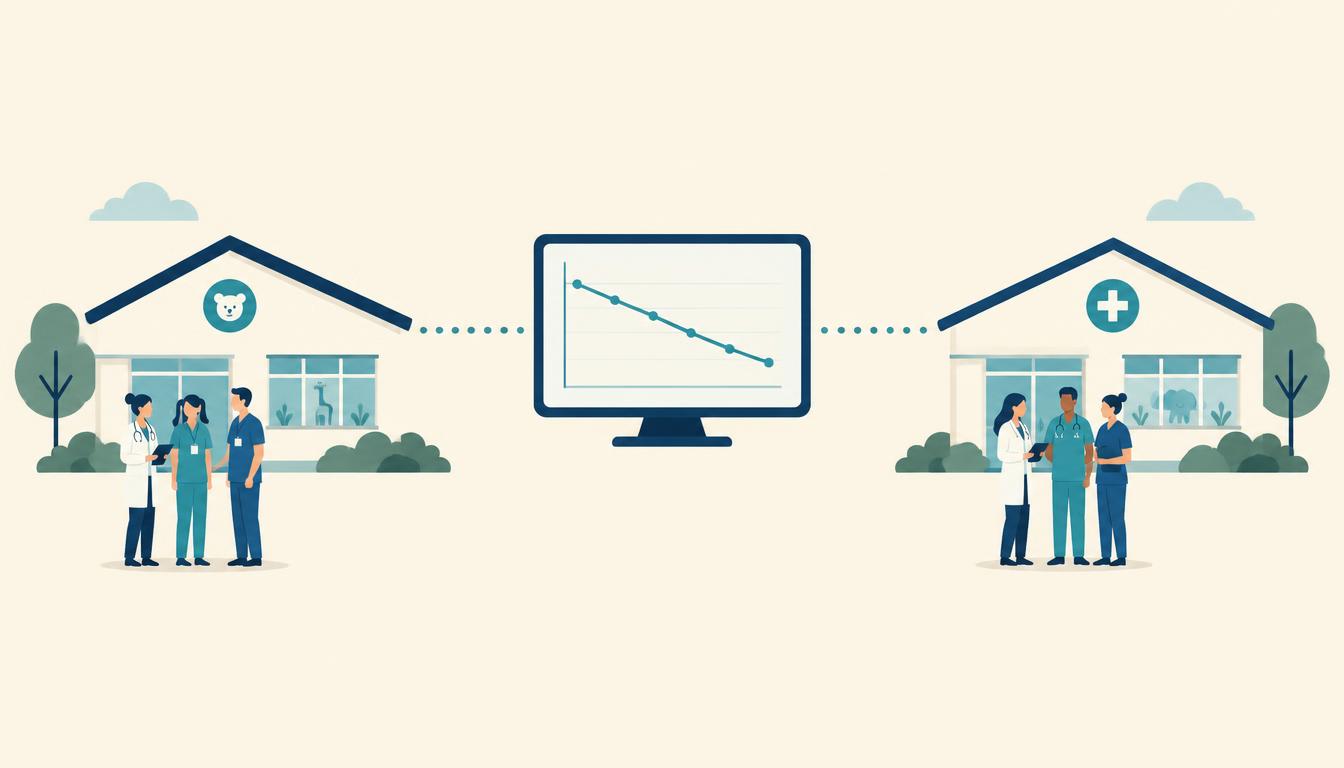
Shared training must lead to a shared understanding
There are practical questions every team must be able to answer: How do we explain the target range to a family? What do we do when measurements stop? When is a message sufficient, and when do we need to call or book an appointment? These questions are easier to discuss when staff work through the same practice cases.
Evira’s training sessions use test patients to practise working within the platform. A useful exercise is to have groups conduct a simulated follow-up consultation: review progress, discuss what to address with the family, and review how a target range is adjusted. This highlights which areas the team has mastered and where further support is needed.
The target range is a prime example of why technical proficiency and clinical skills must go hand in hand. Changing it in the system is one thing. Explaining to the family why the goal is being adjusted, what the trend shows, and what you have agreed upon is part of the clinical treatment. That explanation must be clear regardless of which clinic the family attends.
Allocate responsibilities so follow-up continues during absence
A named clinician provides continuity, but the clinic also needs an effective cover arrangement. If only one person knows the patients or can use Evira, the service becomes vulnerable during annual leave, sickness, and staff turnover. Therefore, decide who will handle incoming queries and scheduled follow-ups when the primary clinician is away, or share responsibility across the patient caseload.
If clinics are to support one another, both the remit and system access must be arranged before leave begins. Clarify which patients the covering clinician is responsible for, how ongoing matters are handed over, and how the clinician with ultimate clinical responsibility can be reached. Belonging to the same organisation does not in itself constitute a handover.
Make induction of new colleagues part of routine operations
Training needs do not end once the first patients have started. A new colleague may be experienced in paediatric care but unfamiliar with childhood obesity treatment or written communication with families. Induction must accommodate both. How Evira supports implementation and training.
Let new staff start with test patients and then review cases alongside an experienced colleague. This might involve interpreting an alert, escalating a query, or drafting a response when a family is anxious. A forum where the team can discuss such scenarios makes knowledge accessible to more than just the person who initially learned the system.
Plan time for follow-up at each clinic
A collective decision to use Evira must be translated into clinic rotas. It must be clear when staff review their patients and how the work is covered if a session is missed. If follow-up is always expected to happen in gaps between other duties, it becomes difficult to determine the service's actual capacity.
Plan specifically for periods following annual leave and weeks with high numbers of patient onboardings. Reviewing a curve, assessing a need for contact, and following up on an unresolved query are distinct tasks. An alert is a prompt requiring clinical appraisal; the clinical work lies in understanding the situation and providing what the patient needs.
Use follow-up to share learning across clinics
As use expands, the number of onboarded patients is only part of the picture. Also monitor whether families get started at home, whether contact is maintained, and whether scheduled clinical time is sufficient. A clinic that excels at onboarding can share its approach. Another may have found an effective way to manage workload over the summer.
Clinical outcomes must be interpreted alongside patient demographics, treatment duration, and drop-out rates. If one clinic has many new patients while another has worked with the same families for years, a direct comparison can easily be misleading. Use differences as a starting point for discussions about care delivery and service organisation.
Evira’s case study describes how Meliva uses the tool across its three child and adolescent medical clinics (BUMM) in Solna, Sollentuna, and Skärholmen. The case illustrates implementation across a multi-site organisation. Read about Meliva’s use of Evira.
Frequently asked questions about multi-clinic implementation
- Do all clinics need to work in exactly the same way?
The organisation needs shared principles for clinical responsibility, quality, and follow-up. The practical division of work can be adapted to each clinic, provided it is clear who does what.
- Can a central function oversee all clinics?
Consider what remit the function holds and what information it requires. Review available reports, user permissions, and information-sharing protocols before establishing the workflow.
- How do we manage staff turnover?
Train more than one person and ensure a concrete handover of active cases, treatment plans, and upcoming follow-ups. Let new colleagues practise with test patients and receive support with both the tool and family consultations.
- How do we select which clinics start first?
Select an initial group that has the right prerequisites and will provide valuable experience for the rest of the organisation. If services differ significantly, it may be appropriate to include more than one type of clinic.
More guides for healthcare providers
- How to choose treatment tools for childhood obesityStart from what the team and families need to be able to do in treatment, then assess tools, research, and how the work fits into clinic routines.
- How Evira works alongside your EHR systemSummaries to support medical record documentation, natural touchpoints for integration, and data export for record-keeping and archiving.