
Guide for healthcare providers
How to choose treatment tools for childhood obesity
Choose treatment tools for childhood obesity based on what the team and families need to be able to do in treatment: understand the goal, track progress, and stay in touch when changes need to work at home. Start with your clinic’s current practice and identify where more support is needed. You can then assess which tools will help you deliver that care, what the research evidence shows, and how the work fits into your service.
Reviewed by Evira's medical team
Published · Updated
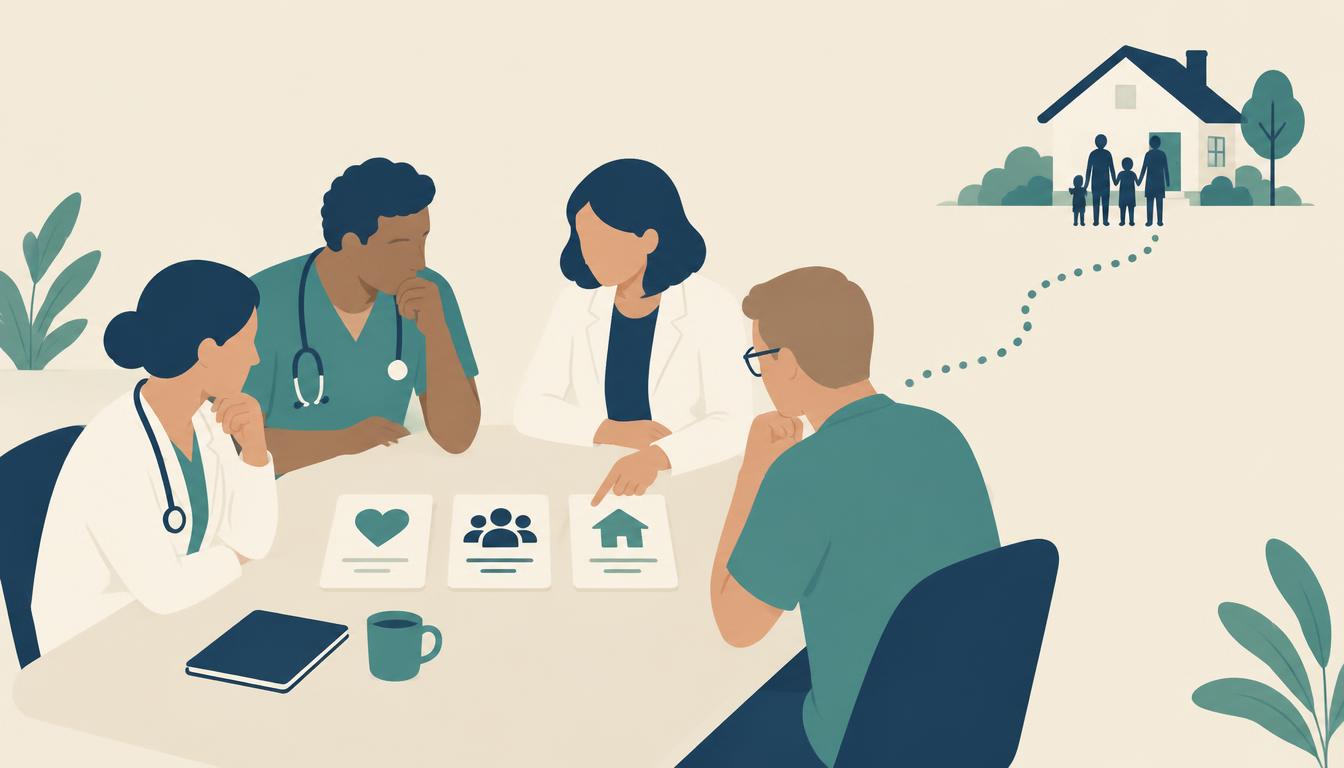
Start with what you want to achieve in treatment
Consider a common situation at your clinic. A family leaves an appointment with a plan, but a few weeks later it has proved difficult to make the changes work at home. How do you find out? Can the family ask a question when it arises, and does the clinician have any clinical data ahead of the next contact? The answers will help you see whether you primarily need to strengthen the onboarding, the follow-up, or the ability to provide support during ongoing treatment.
Tools should support coherent, continuous treatment. Combined lifestyle treatment is the foundation of the Swedish national clinical practice guideline for childhood obesity, where digital support is described as a potential component of treatment contact. National clinical practice guideline from 2023.
Make the goal understandable for the family
An effective treatment tool needs to help the family understand what you are working towards and what the next step is. Therefore, look at what the child and guardians actually take away from the consultation. Can they explain the plan in their own words? Do they know how progress will be monitored and how to get help if something becomes difficult?
This also provides concrete questions to ask when selecting a tool. How is progress presented to the family? Can the clinician use the same data to explain a goal or discuss a change? Review how the support will be used at home, including when multiple adults need to be involved.
Connect the home environment with clinic follow-up
Evira combines a numberless scale at home, an app for the family, and a web-based interface for healthcare professionals. The family can track progress in relation to the goal set together with the clinical team. The clinician has access to more detailed data and can observe trends between clinic visits. Read about the treatment pathway in Evira.
With measurements and contact between visits, the team has more opportunities to understand how treatment is working in everyday life. If measurements stop, the clinician needs to find out what has happened. Is it difficult to establish the routine at home, has the equipment stopped working, or has the treatment become burdensome? The data becomes useful when it leads to the right support.
Feedback should also be provided when things are going well. A brief, personal message can acknowledge what the family is working on and open the door to the next question. The childhood obesity team in Östersund describes this possibility as follows:
"It brings treatment to life! Being able to provide continuous support and notice both negative and positive trends in good time."
What the research says about the treatment model
In Evira’s published one-year study, 107 children were compared with 321 matched registry controls. The mean change in BMI z-score was −0.30 with Evira-supported treatment and −0.15 with standard care. The study was a pragmatic comparison without randomised treatment allocation. The outcome reflects the overall treatment model and cannot be attributed to any single feature. Hagman et al. 2022.
Read the research with your own clinical practice in mind. Which patients were included, and how long were they followed? What contact did families receive, and how did clinicians use the data? This will help you understand how the tool was used and what needs to be in place for a similar approach at your clinic.
Walk through a patient onboarding together as a team
Once you have identified a tool that may meet your needs, review how it will be used from the very first visit. With Evira, you can practise using a test patient: link accounts, explain the treatment goal, interpret the curve, and send a message. Then let a colleague take over to see whether it is clear what has already been done and what remains.
This is also a way to test how you work together. A nurse might identify a need for contact, while another profession needs to assist with the clinical assessment. Walking through the process should make it clear how that query is escalated and how the family receives a response.
Also plan how the family will get started. During onboarding, the family can demonstrate how the measurement is taken and explain in their own words what the curve means. Go through who reads messages and how to contact the clinic. This clarifies what support the family needs to use the tool at home.
Choose a workflow that fits the clinic
The choice must also work within the clinic’s resources. Calculate the time needed for patient onboarding and ongoing follow-up, decide who handles families' queries, and arrange cross-cover among colleagues. Review costs, clinical documentation, and information security with the relevant departments. This provides a solid basis for introducing the tool into routine care.
Afterwards, monitor both how the workflow functions and how patients progress. Are families getting in touch? Is the team using the allocated time? Are the first measurements coming in? Also find out why families decline or stop using the support. That insight is needed to improve onboarding and identify which patients require a different approach.
Frequently asked questions about choosing treatment tools for childhood obesity
- What should we base our choice of treatment tool on?
Base it on patient needs and the clinical tasks the team needs to perform. Review how you set and explain goals, monitor progress, and support families between visits. Then assess how the tool supports these tasks, what research evidence exists, and what implementation requires of the clinic.
- When is a digital treatment tool relevant?
When the clinic wants to monitor progress and maintain contact with the family between visits, digital support is worth exploring. Evira connects home measurements, the family app, and clinician follow-up. At the same to time, the team needs to plan how the data will be used and how families will receive feedback.
- Does the entire clinic have to start at the same time?
A phased rollout allows you to test workflows and training before expanding use. The initial cohort should nevertheless reflect the patient group the clinic intends to treat.
- Who is responsible for treatment with Evira?
The healthcare provider is responsible for medical assessment and treatment. Evira provides the digital support tool. Responsibility and patient data.
More guides for healthcare providers
- What a paediatric clinic can achieve with EviraSupport when changes need to work at home, published treatment outcomes after three years, and contact targeted to patients who need it.
- Digital childhood obesity treatment across multiple clinicsJoint training, a clear division of responsibility during leave, induction for new colleagues, and scheduled time for follow-up at each clinic.