

Case studies
Meliva – a shared digital approach to childhood obesity treatment at three BUMM clinics
Meliva uses Evira for childhood obesity care at its paediatric and adolescent medicine clinics in Solna, Sollentuna, and Skärholmen. With a shared digital treatment support, the clinics can combine specialist care with home monitoring and continuous follow-up between appointments.

In brief
Three clinics
Evira is used within Meliva BUMM Solna, Sollentuna, and Skärholmen.
Specialist care within Region Stockholm
The clinics provide paediatric and adolescent medicine specialist care on behalf of Region Stockholm.
The same digital treatment support
Evira provides the clinics with a shared approach for home monitoring, treatment goals, and digital contact with the family.
Treatment even between visits
The family's measurements at home allow the treatment team to follow developments over time.
Specialist care in several locations in Stockholm
Meliva provides paediatric and adolescent medical specialist care at three BUMM clinics in the Stockholm area: Solna, Sollentuna and Skärholmen. The clinics admit children and young people who need more specialised medical care than primary care can offer.
Obesity is one of the areas where children and families need long-term treatment and follow-up. As part of this treatment, Meliva uses Evira.
A common digital way of working
When obesity treatment is provided at several clinics, there is value in being able to work according to the same basic principles regardless of where the patient is treated. Evira provides Meliva's treatment team with digital support that is used at all three BUMM clinics.
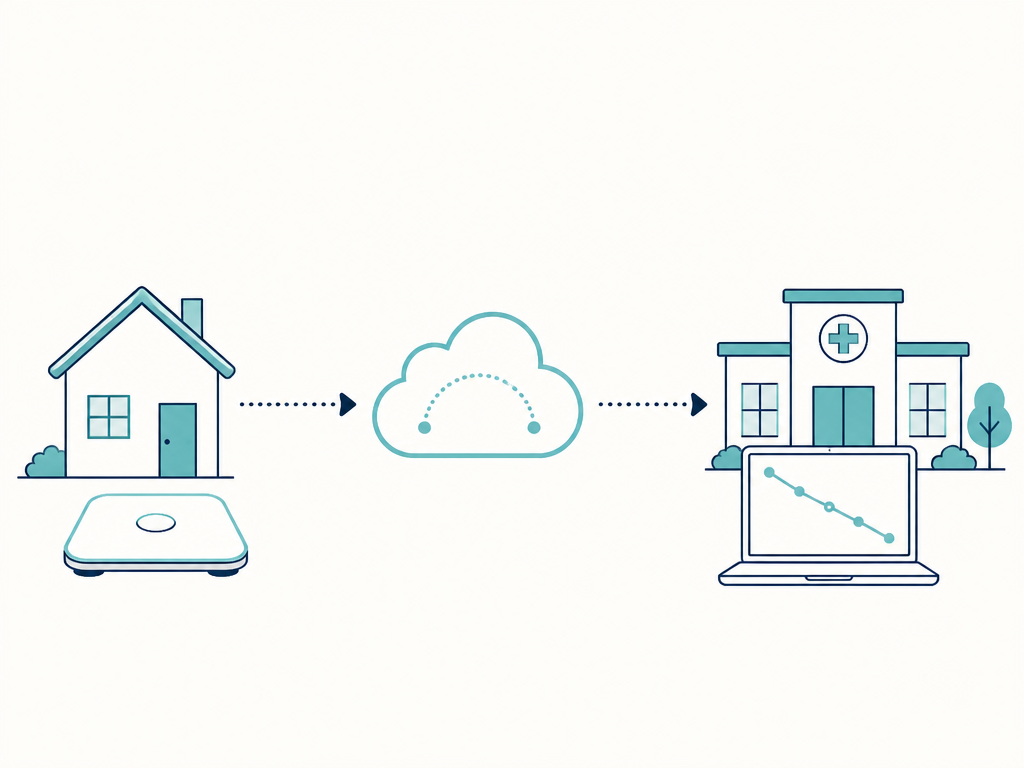
The child uses a screen-less, connected weighing scale at home. Measurements are automatically transferred to Evira and become available to the treatment team, while the family can follow the treatment and their individual goals digitally and communicate with healthcare between visits.
From clinic visits to continuous follow-up
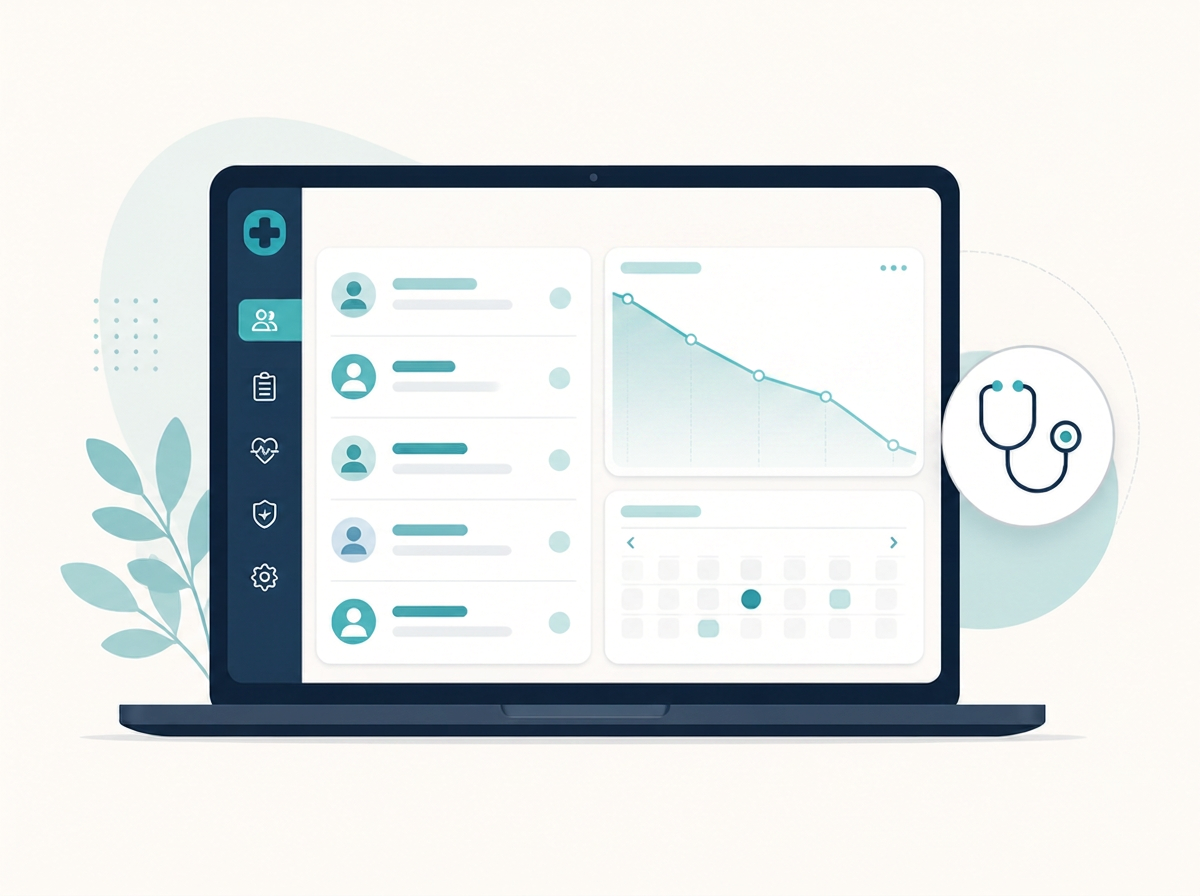
A single clinic visit provides a snapshot. To understand how treatment is actually progressing, healthcare also needs to be able to follow what happens between visits. With Evira, the treatment team can follow the patient's measurements over time and use the progress as a basis for continued treatment.
- monitor weight development between visits
- work towards individual treatment goals
- communicate with the child and family
- identify the need for further follow-up
- use measurements from home as a basis for healthcare work
The home becomes part of the treatment
A large part of the changes that obesity treatment aims for occur outside the clinic. Eating habits, activity, sleep and family routines are shaped in everyday life.
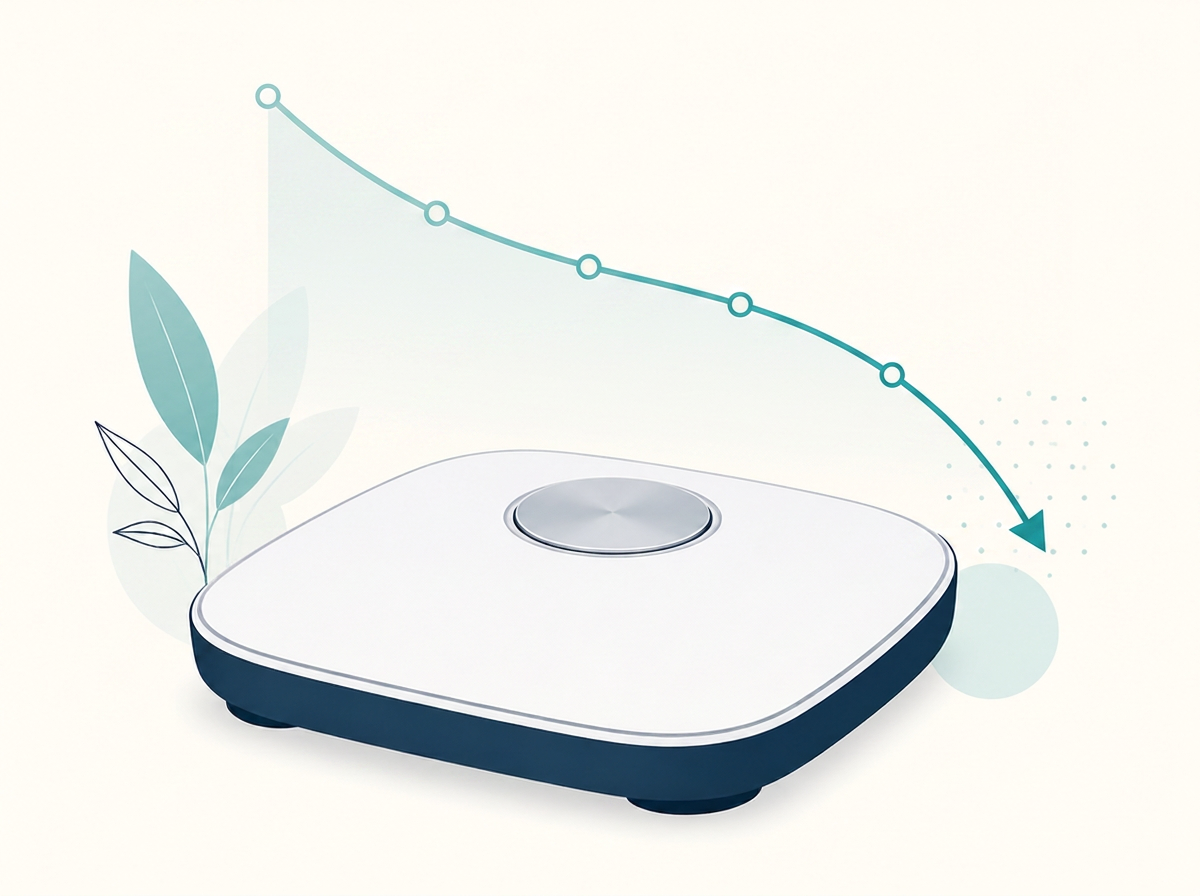
The child does not need to see their weight in kilograms at each weighing. Instead, the numberless measuring plate is used to collect data that is visualised in relation to the treatment and the patient's individual goals. In this way, home monitoring becomes part of the clinical follow-up.
The region's care programme governs who is treated where
Region Stockholm's care programme for overweight and obesity in children and adolescents describes how responsibility is divided between general practice clinics, child health centres, school health services and child and adolescent medical clinics. BUMM admits children whose obesity requires more specialised assessment and treatment, or where there are comorbidities.
Meliva's clinics operate within this remit. The treatment is based on combined lifestyle intervention, and Evira is used as a digital treatment support within this framework – not as a separate parallel form of care.
From the home weighing scale to the clinic's basis
Home weigh-ins are automatically sent to Evira. There, the measurements are converted into a trend that takes into account the child's growth, and the same image is displayed to the family in the app and to the treatment team in the care interface.
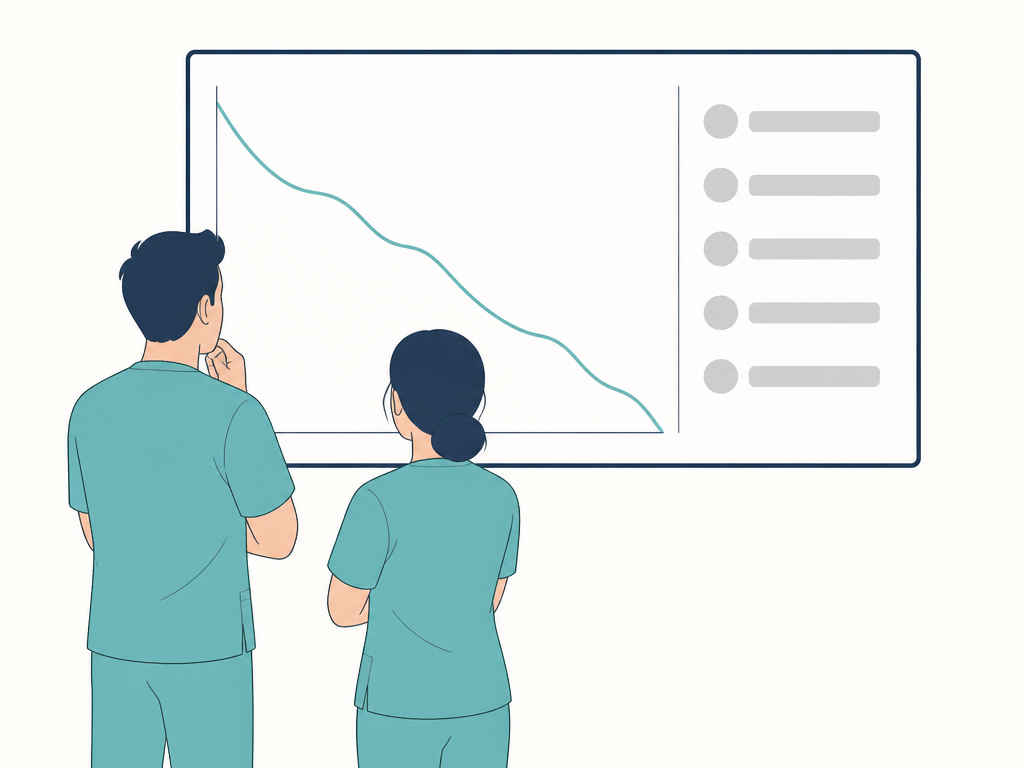
The treatment team therefore does not need to start over at each visit. The progress since the last contact is already documented, which means the visit can be dedicated to treatment instead of mapping what has happened.
Source: 1
Quality follow-up and national knowledge support
Childhood obesity care in Region Stockholm is followed up through indicators and knowledge support, and treatment data is reported to the national quality register BORIS. The National Board of Health and Welfare's national guidelines also state that treatment should be long-term and family-based.
A common digital workflow across several clinics makes this type of follow-up easier, as measurements and treatment goals are documented in the same way regardless of which Meliva clinic the family belongs to.
Specialised healthcare remains around the child
Evira does not replace the medical expertise at Meliva's clinics. Meliva's healthcare staff are still responsible for the treatment, while the digital support connects the time at the clinic with what happens in between.
For Meliva, Evira means a common way to combine specialised healthcare at the clinic with continuous obesity treatment in the child's and family's everyday lives – with the local clinical relationship remaining.
3 clinics
Solna, Sollentuna and Skärholmen work with the same digital treatment support.
Source: 1
Sources and references
- Meliva – paediatric and adolescent medicine clinics
Meliva's description of specialist healthcare in Solna, Sollentuna and Skärholmen.
- Viss.nu – Overweight in children and adolescents, Region Stockholm
Regional care programme with management, care levels and referral routines.
- Centre for Epidemiology and Community Medicine – Obesity, Children and Young People
Knowledge support and follow-up indicators for childhood obesity care in Region Stockholm.
- BORIS – national quality register for childhood obesity
The register where Swedish childhood obesity care is followed up.
- The National Board of Health and Welfare – National guidelines for obesity care
National prioritisation support for long-term obesity treatment.