

Case studies
TioHundra – continuous obesity treatment between appointments
At the paediatric and adolescent clinic at Norrtälje sjukhus, TioHundra uses Evira to supplement physical specialist care with home monitoring and digital follow-up. This approach provides the family with quick feedback on changes in their daily lives and allows the treatment team to monitor progress between appointments.
In brief
Positive local results
TioHundra has itself reported that a majority of the patients who used the weighing scale had a lower or stabilised BMI.
Continuous follow-up
Measurements from home allow the clinic to monitor the child's progress between appointments.
Quick feedback
The family can see if changes in daily life yield results without having to wait until the next clinic appointment.
More care between appointments
TioHundra's healthcare providers describe how Evira has made it possible to provide more continuous support than before.
When three months is a long time
Obesity is a chronic disease where treatment largely takes place at home. The family needs to apply advice and treatment goals in their daily lives – concerning food, activity, and other lifestyle habits, among other things.
Traditionally, several months can pass between contacts with specialist care. At TioHundra's paediatric and adolescent clinic, families previously had to wait between one and three months before seeing the results of the changes made.
To create closer feedback, the clinic began using Evira.
Source: 1
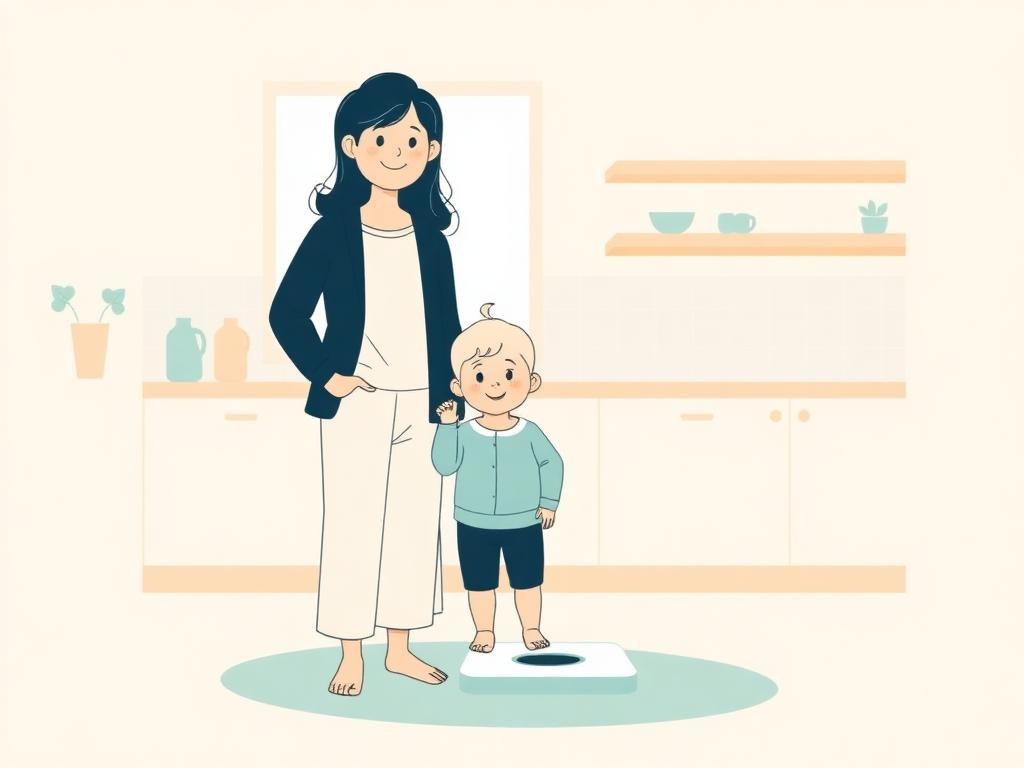
Measurements at home – without numbers on the scale
The child uses a numberless, connected weighing scale at home. When the child steps on the scale, the measurement is automatically recorded. The child does not need to see their weight in kilograms.
Instead, the family receives a visualisation of their progress in relation to the individual goal set together with the healthcare provider.
At the same time, the information is sent to the treatment team at Norrtälje sjukhus, who can monitor the child's progress over time. The family can also communicate with the clinic digitally through Evira.
Source: 1
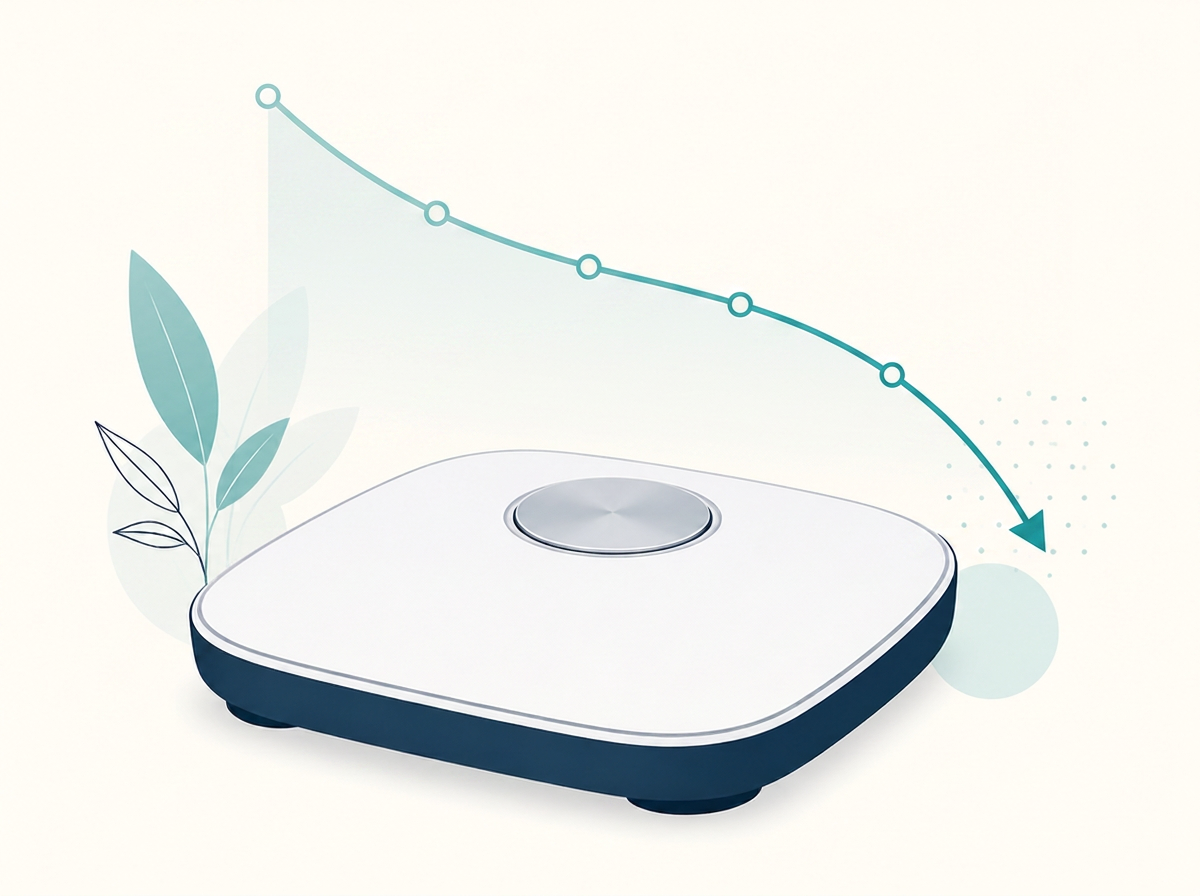
Quick feedback on changes in daily life
One of the clearest differences for TioHundra is the time from change to feedback. For example, when the family changes eating habits, activity, or other aspects of daily life, progress can be continuously monitored.
Paediatrician Ellinor Ristoff describes that the family might otherwise have to wait between one and three months to see the result of a change. With Evira, the feedback is significantly closer to the actual behavioural change.
This gives the family the opportunity to understand which changes work – and which need to be adjusted.
Source: 1
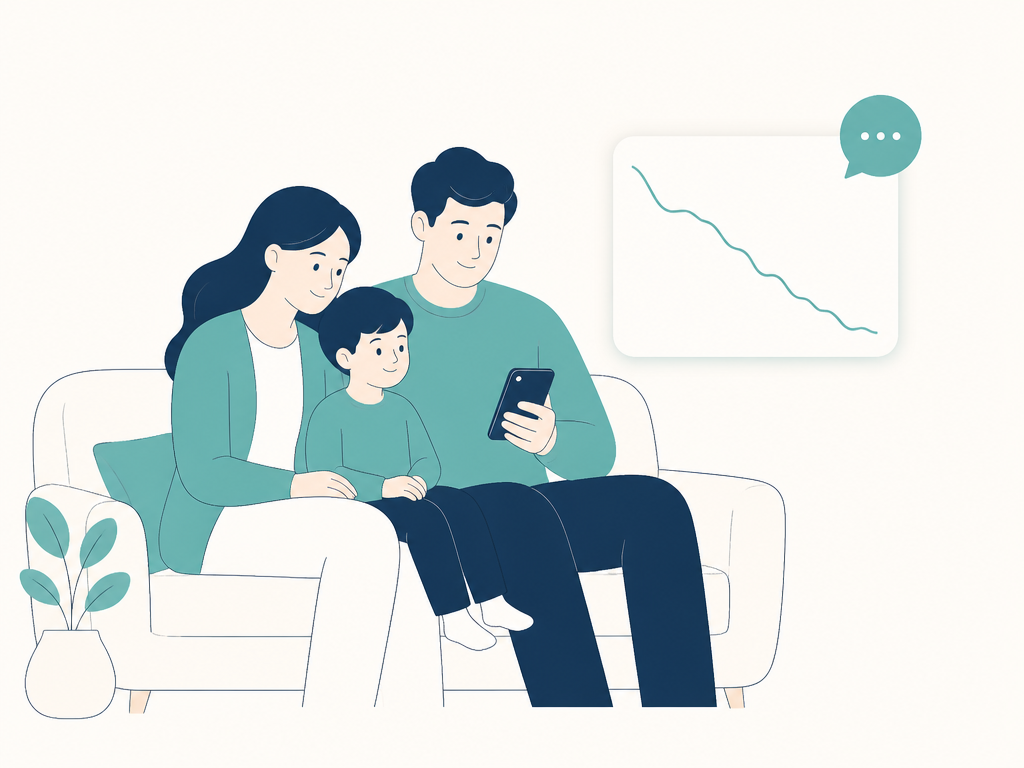
Healthcare can act when development changes
The continuous data also changes what is possible for the treatment team. Instead of discovering a changed development only at the next clinic visit, healthcare can monitor the patient's measurements digitally.
If the development deviates significantly from the planned curve, the clinic can contact the family and follow up on what has happened. The digital approach thus makes it possible to direct attention where it is most needed.
Source: 1
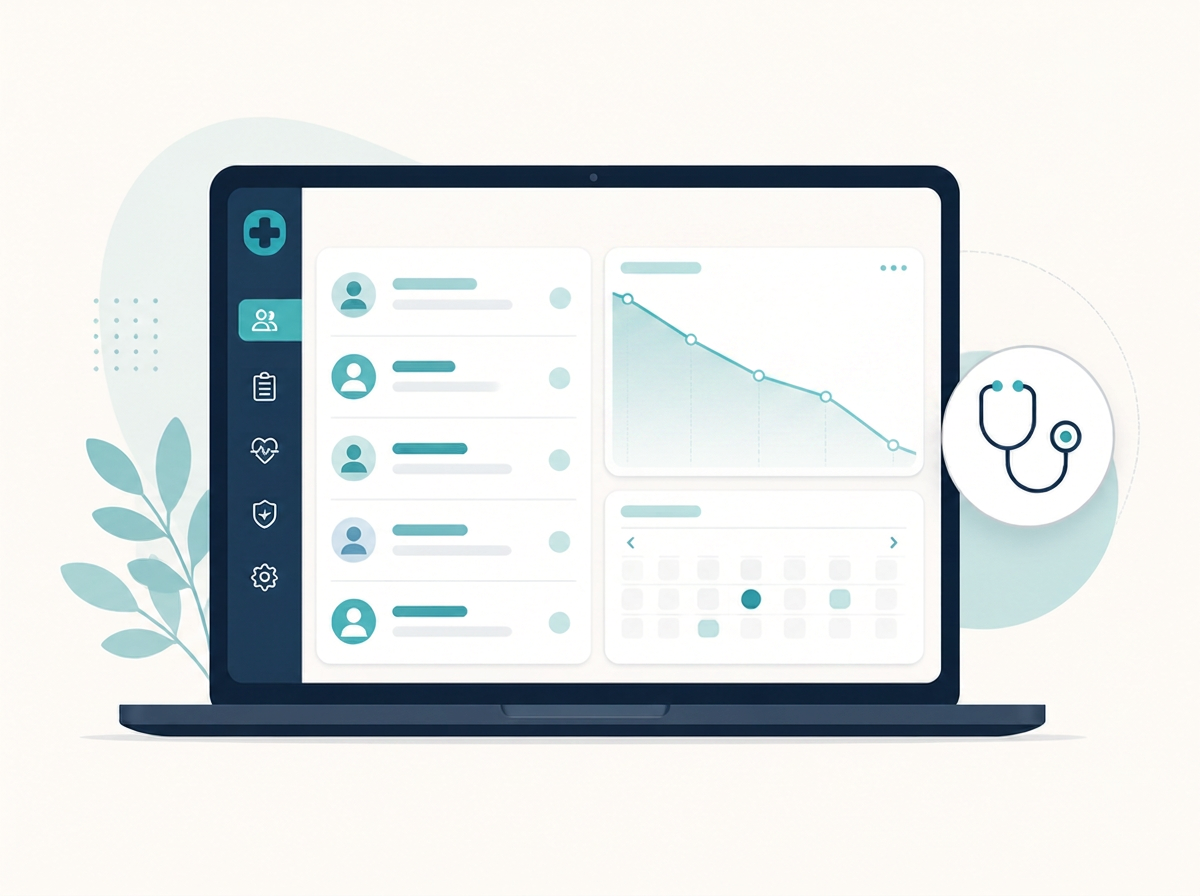
Positive results in TioHundra's own follow-up
When TioHundra themselves described their work with the digital smart scale in 2023, approximately 40 children had the equipment at home. In a majority of the patients who had used the smart scale, a lower or stabilised BMI was observed.
TioHundra also highlighted that the tool worked particularly well for teenagers – a group where therapists describe motivation and behaviour change as particularly challenging.
The smart scale was not used as a standalone treatment, but as a complement when the treatment team and family assessed that there was a need for additional support and motivation.
~40
children with a smart scale at home (2023)
Source: 1
From monthly visits to more continuous support
The digital way of working also affects how continuity can be created. A therapist at TioHundra describes the previous model:
“The treatment before we had Evira could be one visit/month to provide continuous support in the treatment (60 min visit).”
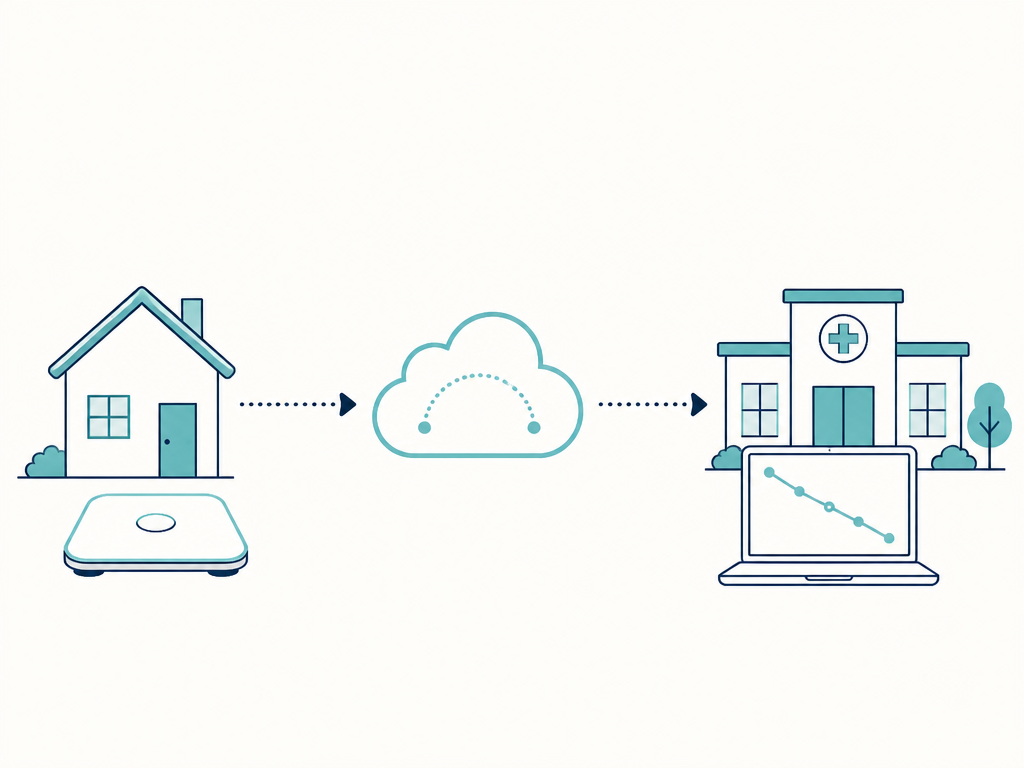
More continuity – not more healthcare visits
Despite the recurring visits, the therapist describes that the support was not experienced as continuous as with Evira. This illustrates an important difference between more healthcare visits and more continuous care.
With digital follow-up, contact with the treatment does not need to be limited to the time when the patient and therapist are in the same room.
A complement to specialist care
Evira does not replace the existing care at Norrtälje sjukhus. Children with overweight or obesity often come to the clinic after a referral from BVC or school healthcare.
Together with the family, the treatment team creates an individual plan. The treatment can include health talks, telephone contacts, video meetings and physical visits. When it suits the child and family, Evira can be added as digital treatment support.
This makes it possible to combine the specialist expertise at the clinic with recurring follow-up in the child's daily life.
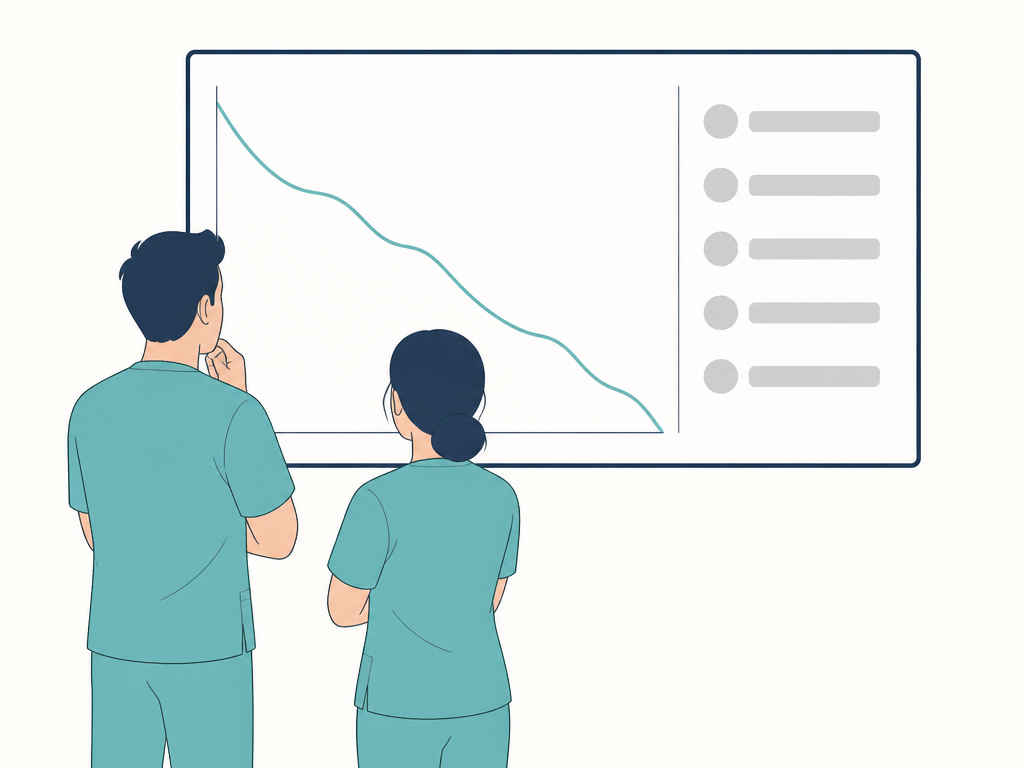
More continuity without every contact needing to be a healthcare visit
TioHundra's experience shows the difference between monitoring a patient during recurring clinic visits and being able to monitor the treatment while it is actually ongoing.
The family receives quicker feedback. Healthcare personnel get more information about developments between visits. And when something changes, the treatment team can detect it earlier.
With Evira, TioHundra has shifted part of childhood obesity treatment from episodic clinic visits to continuous follow-up in the child's daily life.
Sources and references
TioHundra – on working with a digital smart scale in childhood obesity care (2023)
TioHundra's own description of the working method, including the number of children with a measuring tablet at home and the follow-up which showed lower or stabilised BMI in a majority of users, as well as paediatrician Ellinor Ristoff's description of the feedback time.
- TioHundra – paediatric clinic, Norrtälje Hospital
The clinic's mission, referral pathways and treatment plan.
- The National Board of Health and Welfare – National guidelines for obesity care
National knowledge support for long-term obesity treatment.
- BORIS – national quality register for childhood obesity
The register where Swedish childhood obesity care is followed up.