
Case studies
NHS England selected Evira for digital treatment within Complications from Excess Weight
NHS England selected Evira through a national procurement to test and scale digital medical technology within Complications from Excess Weight, CEW – specialist care for children and young people with severe obesity and high clinical complexity. Evira is used as a digital layer in the treatment to enable follow-up and support even outside of physical clinic visits.

In brief
National procurement
NHS England selected Evira after a competitive procurement to test and scale evidence-based medical technology within the CEW services.
Specialist care for severe obesity
CEW are NHS specialist services for children and young people with severe obesity and high clinical care needs.
Treatment at home
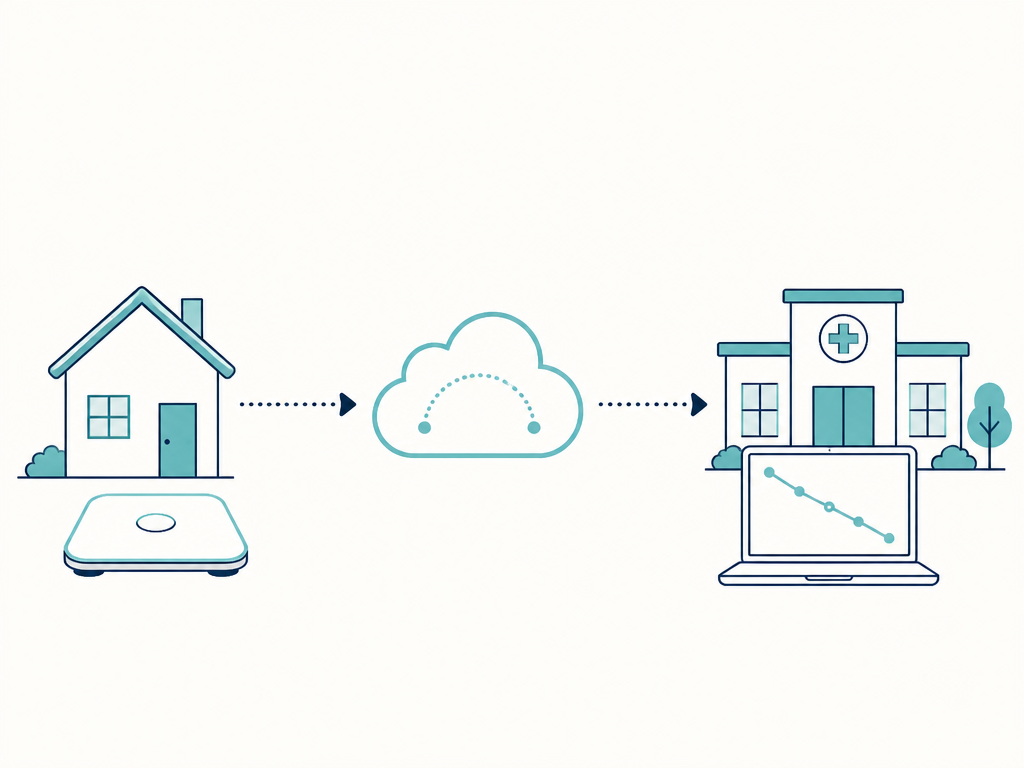
Evira combines digital treatment with connected measuring equipment that the patient can use at home.
Scalability as a goal
The ambition was for the digital model to give CEW operations the capacity to support approximately 1,500 additional patients per year.
Approximately 70 patients in Birmingham
The CEW clinic in Birmingham follows around 70 children and young people in Evira between physical visits.
Specialist care for children with high care needs
Complications from Excess Weight, CEW, are specialist services within the NHS for children and young people with severe obesity and high clinical complexity. Treatment is provided by multidisciplinary teams including paediatricians, dietitians, psychologists, and professionals working with family and social support.
The services work with both obesity and the complications that can follow the disease, such as type 2 diabetes, sleep apnoea, liver impairment, high blood pressure and mental ill-health. NHS England has established CEW services across England since 2021.
The need is greater than healthcare capacity
When NHS England began the procurement of digital medical technology, the organisation noted that the demand for CEW care was significantly greater than the available capacity. One of the limitations was the availability of specialist staff, and therefore scaling the traditional model solely through larger multidisciplinary teams was deemed difficult.
At the same time, obesity treatment requires long-term behavioural changes that primarily occur outside the clinic. NHS England therefore identified the need for technology that could complement physical visits and provide families with continued support between contacts with healthcare.
NHS England chooses Evira
NHS England conducted a competitive procurement to find an evidence-based technical solution that could be tested and scaled within CEW operations. Evira was awarded the contract. The solution would, among other things:
1,500 patients/year
The capacity target for the digital model within the CEW services.
- have an established evidence base in the treatment of children and adolescents with obesity
- be usable alongside CEW multidisciplinary teams
- enable treatment and support at home
- function across multiple NHS Trusts
- be implementable at various stages of the patient's care journey
- provide the ability to monitor treatment and outcomes digitally
From clinic visits to continuous treatment
Evira adds a digital layer around existing specialist care. The patient uses Evira's connected measuring equipment at home, measurements are made digitally available to the treatment team, and the family uses Evira to monitor treatment and communicate with healthcare.
For the CEW team, this way of working offers the opportunity to combine:
- specialist assessments and physical visits
- home monitoring
- digital follow-up
- individual treatment goals
- communication with children and families between visits
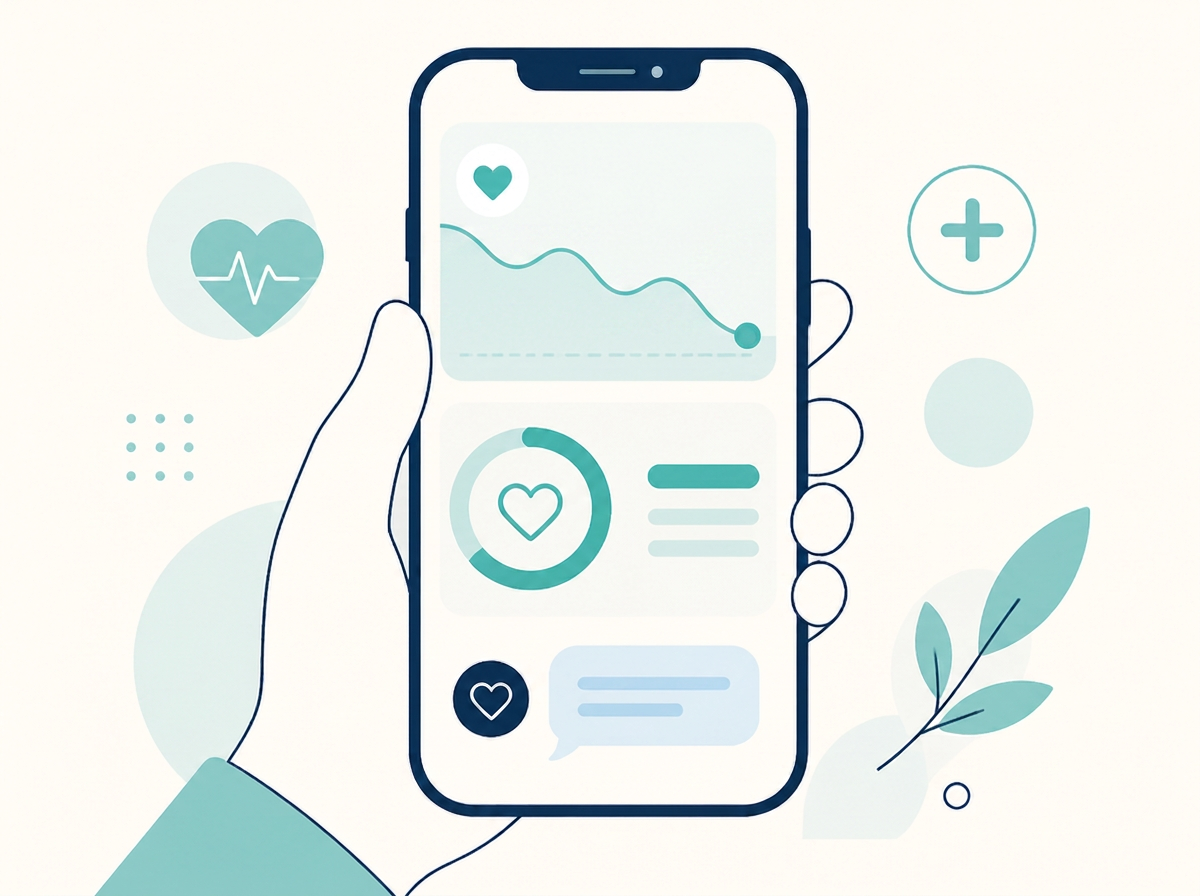
Alder Hey became the first British clinic
Alder Hey Children's NHS Foundation Trust in Liverpool became the first CEW service in the UK to test and implement Evira. Alder Hey described the background as high demand, patient queues, and limited opportunities for frequent physical visits.
In response, Evira was introduced as a digital solution where families use home monitoring equipment while the clinic can digitally follow the patient's development – part of the effort to improve both capacity and the patient experience. Following the initial implementation, Evira has been introduced in additional CEW services in England.
Birmingham CEW – the healthcare provider’s perspective
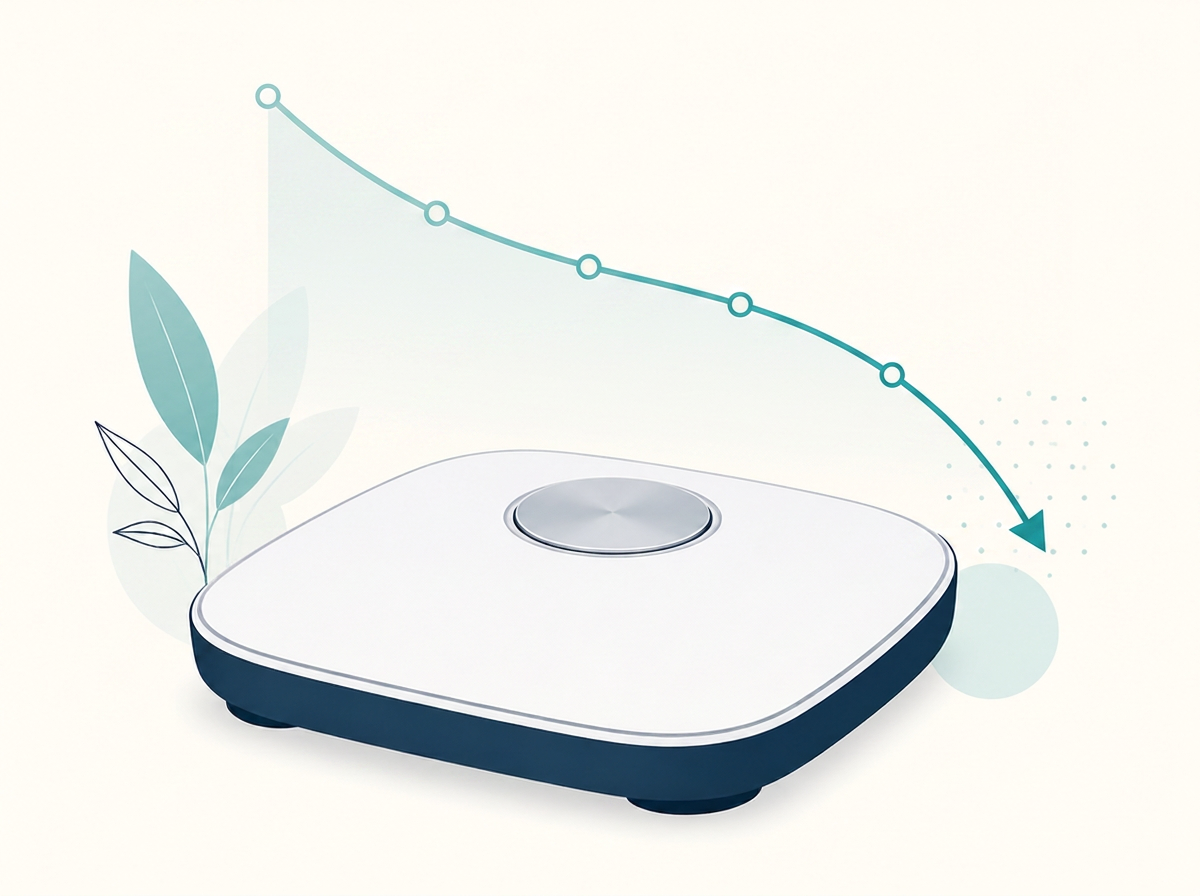
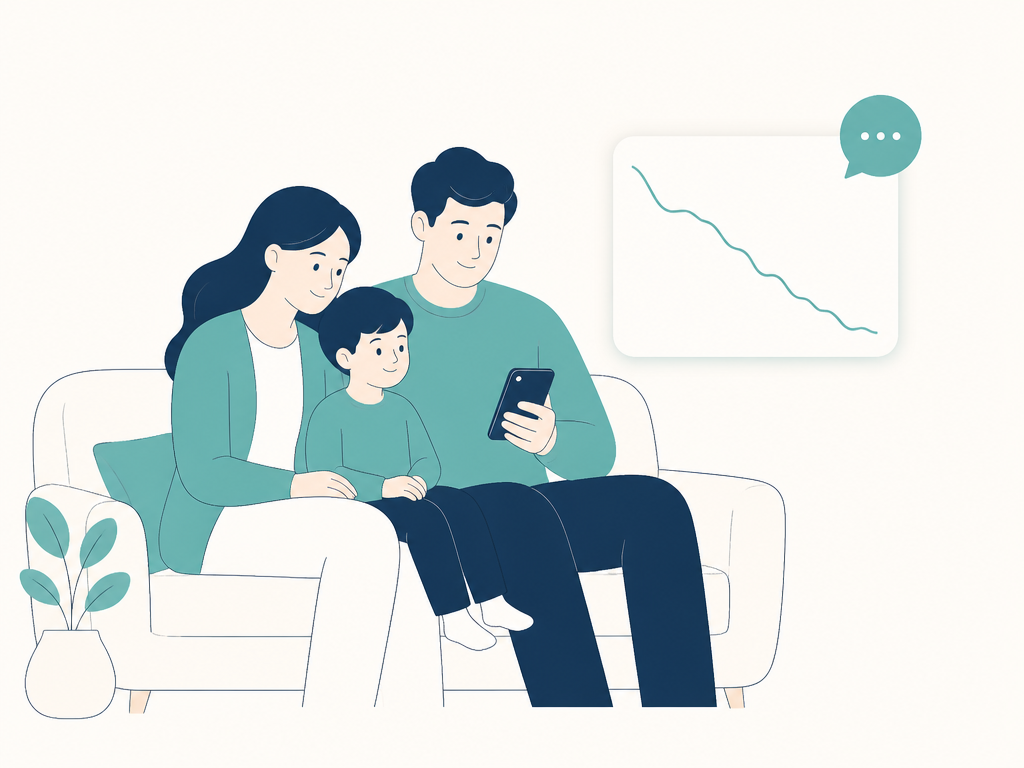
At the CEW clinic in Birmingham, Evira is used to monitor a child's development between visits. The child weighs themselves at home, and the family sees the result as a trend in the app – without numbers. The goal is to stay in the green zone, which indicates that BMI is developing in the right direction.
A Clinical Nurse Specialist at the clinic describes that the trend-based feedback is important because a single number on the scale can feel disheartening, and because the weight of growing children needs to be interpreted in relation to height and development over time.
The idea is that the family should try to stay in the green zone – a downward trend showing that BMI is improving.
Source: 4
How Evira is used in Birmingham
The clinic has around 70 patients in Evira and uses the solution to:
~70 patients
The number of children and young people followed in Evira at the CEW clinic in Birmingham.
- monitor the child's weight development as a trend instead of individual measurements
- provide remote support to families who find it difficult to get to the hospital
- maintain contact between visits via the messaging function
- send out general communications to all families, for example about upcoming activities
- identify families when the trend turns upwards and use motivational interviews to find the next step
Source: 4
British guideline and national knowledge support
NICE's national guideline for the management of overweight and obesity (NG246) states that treatment should be based on structured, multidisciplinary support with a focus on behaviour and lifestyle over time, and that follow-up should be adapted to the patient's needs.
The CEW services operate within this framework. Digital follow-up is used to keep the treatment relationship alive during the long periods between specialist visits that healthcare has the capacity to offer.
Lessons learned from the implementation
The team in Birmingham highlights some prerequisites for digital follow-up to work in daily clinical practice:
- allocated staff time to respond to messages, contact families, and update goals
- clear inclusion and exclusion criteria and a defined pathway
- that the family is ready to work with changes when treatment begins
- that it is okay to end digital follow-up when it is not working, and instead direct support where it is beneficial
Source: 4
Part of the CEW landscape
NHS England's CEW model is based on person-centred, multidisciplinary specialist care. In the national guidance published in August 2026, NHS England also highlights that care does not exclusively need to be delivered through physical visits – when appropriate, contact can also take place remotely through digital tools.
In the same guidance, NHS England describes that 38 CEW services have been pilot tested across England and that the lessons learned are being used to guide Integrated Care Boards in the continued commissioning of specialist care. The CEW collaboration thus becomes an example of how digital treatment can be integrated into a complex, multidisciplinary care model – from individual specialist clinics to a national NHS programme.
38 CEW services
Number of pilot-tested CEW services in England according to NHS England.
Source: 3
United Kingdom – CEW clinics
The British clinics are CEW (Complications from Excess Weight) clinics – NHS specialist clinics for children and young people with obesity and its associated diseases. Read more at NHS England.
Bristol
Sources and references
- NHS England – procurement of digital medical technology within CEW
The document describing the requirements for the solution and the ambition for scalability.
- Alder Hey Children's NHS Foundation Trust
Description of the first British implementation of Evira.
- NHS England – national guidance for CEW (August 2026)
Guidance describing 38 pilot-tested CEW operations and remote contact.
- Health Innovation Network – Meet the adopter: Sarah Say, Evira (2026-04-02)
Interview with a Clinical Nurse Specialist at the CEW clinic in Birmingham on how Evira is used.
- Health Innovation Network – Meet the innovator: Malin Ramkloo, Evira
Interview with Evira's Head of Clinic Success about the solution and its implementation in the NHS.
- NICE – Overweight and obesity management (NG246)
British national clinical guideline for the management of obesity.
- International Journal of Obesity – the one-year study of Evira's treatment model
The evidence base behind the treatment model that was procured.