

Case studies
Barnsjukhuset Martina – from early clinical pioneer to digital obesity treatment at six clinics
Barnsjukhuset Martina was one of the first healthcare providers to use Evira in the clinical treatment of children with obesity. The first 107 patients at Martina Centrum för Vikthälsa later formed the basis for the first clinical study of the treatment model. Today, Evira is used in six of Martina's paediatric and adolescent medicine clinics in Region Stockholm.

In brief
Six clinics
Evira is used within Martina's operations at Sophiahemmet, in Bromma, Globen, Huddinge, Sollentuna and Järva.
Since 2018
The collaboration with Martina is one of Evira's oldest and began within Martina's obesity operations.
107 patients in the first study
The first 107 patients at Martina Centrum för Vikthälsa treated with Evira formed the basis for the first one-year study.
Physical and digital
Specialist care at the clinic is combined with a numberless weighing scale and digital follow-up between visits.
An early step towards continuous obesity treatment
Obesity is a chronic disease where treatment often needs to continue for several years. At the same time, much of what influences treatment happens in the child's daily life, during the time between two clinic visits.
Barnsjukhuset Martina started using Evira back in 2018 to complement clinical treatment with a digital workflow. The starting point was to be able to follow the patient's development over time instead of just getting a snapshot at the next visit.
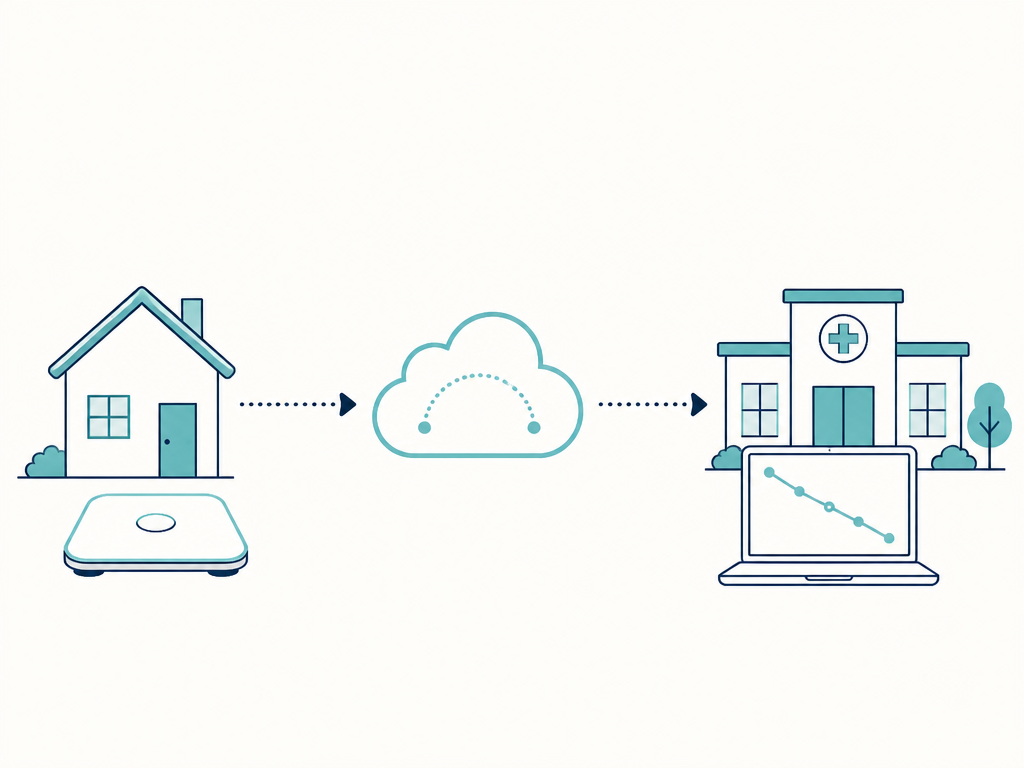
The child weighs themselves at home with a numberless, connected weighing scale. The measurements are automatically transferred to the app and to the clinic side, meaning the data is not based on self-reporting. Both the family and the healthcare provider can follow developments between physical visits.
Source: 3
The first 107 patients became the foundation for research
The early clinical use at Martina also made it possible to scientifically evaluate the treatment model. Karolinska Institutet describes how all patients who started treatment with Evira at Martina Centrum för Vikthälsa were evaluated, and how the one-year results for the first 107 children were compared with matched patients from the national quality register BORIS (n=321).
After one year of treatment, the Evira group had reduced their BMI SDS by approximately 0.30 units, compared to approximately 0.15 units in the control group – roughly double the treatment effect.
The study was conducted in collaboration with researchers at Karolinska Institutet and published in the International Journal of Obesity. A later three-year follow-up showed that the difference between the groups could be maintained over a longer period.
−0.30 BMI SDS
Decrease after one year in the Evira group, compared to −0.15 in the control group from BORIS.
What BMI SDS measures – and why it's used
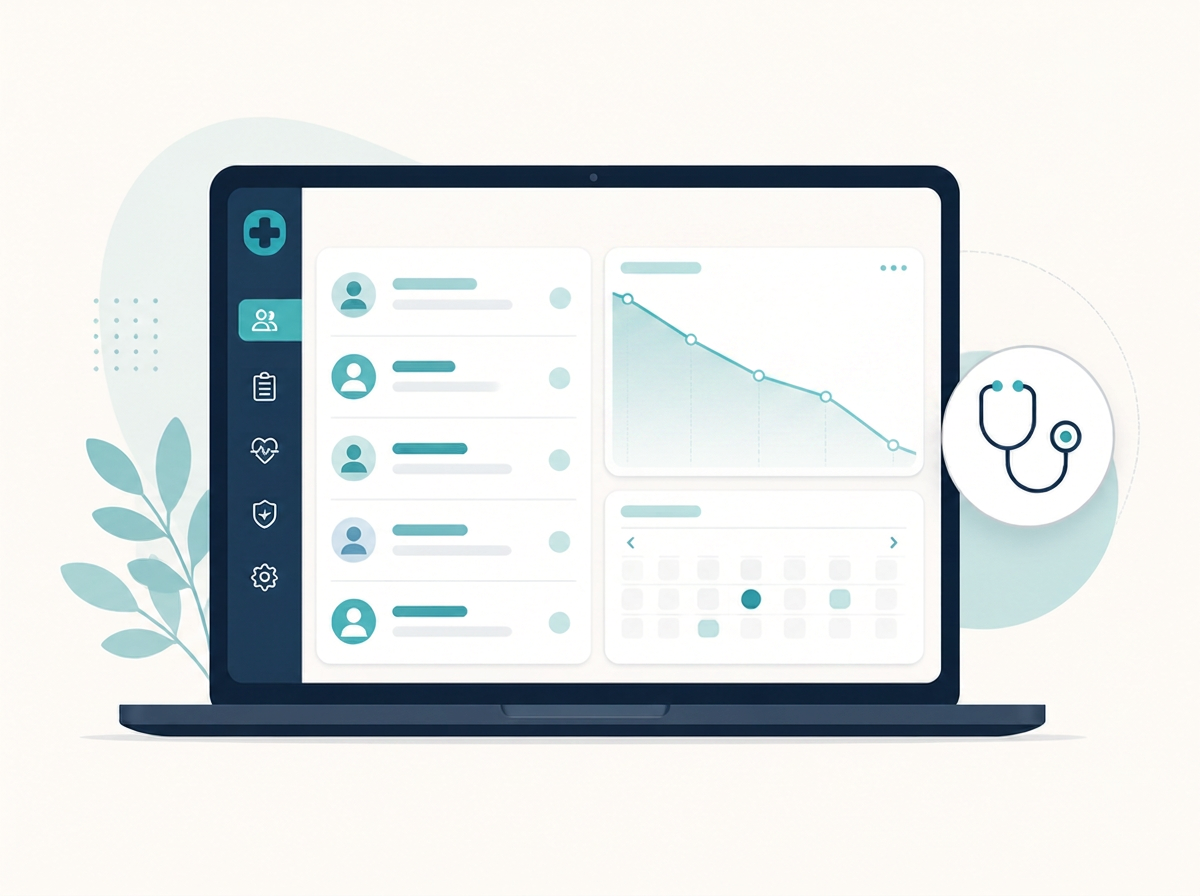
For growing children, it's not enough to look at weight in kilograms. BMI SDS indicates how the child's BMI relates to the expected value for age and sex, which allows development to be monitored during growth.
It is also the measure used in the national quality register BORIS and in Socialstyrelsen's follow-up of obesity care. The studies on Martina's patients could therefore be compared with register data from traditional treatment.
From one operation to six clinics
What began within Martinas Centrum för Vikthälsa has since grown within the organisation. Today, Barnsjukhuset Martina has six paediatric and adolescent medicine clinics within Region Stockholm, and Evira is used in all of them:
- BUMM Sophiahemmet
- BUMM Bromma
- BUMM Globen
- BUMM Huddinge
- BUMM Sollentuna
- BUMM Järva
Digital treatment as part of specialist care
Martina describes Vikthälsa as part of the BUMM mission for children and adolescents with obesity and related risk factors. The medical treatment is led by Martina's healthcare staff, and Evira complements the specialist care with a digital layer between clinic visits.
With Evira, the treatment team can:
- monitor weight development between visits
- work with individual treatment goals
- receive measurement data directly from the patient's home
- communicate digitally with the child and family
- use development over time as a basis for continued treatment
Treatment that continues at home
Between visits, the child uses the numberless weighing scale at home. The fact that it does not show weight in kilograms means that regular measurements can be used as treatment data without the child seeing a number every time. Instead, the development is visualised in relation to the treatment and the child's individual goals.
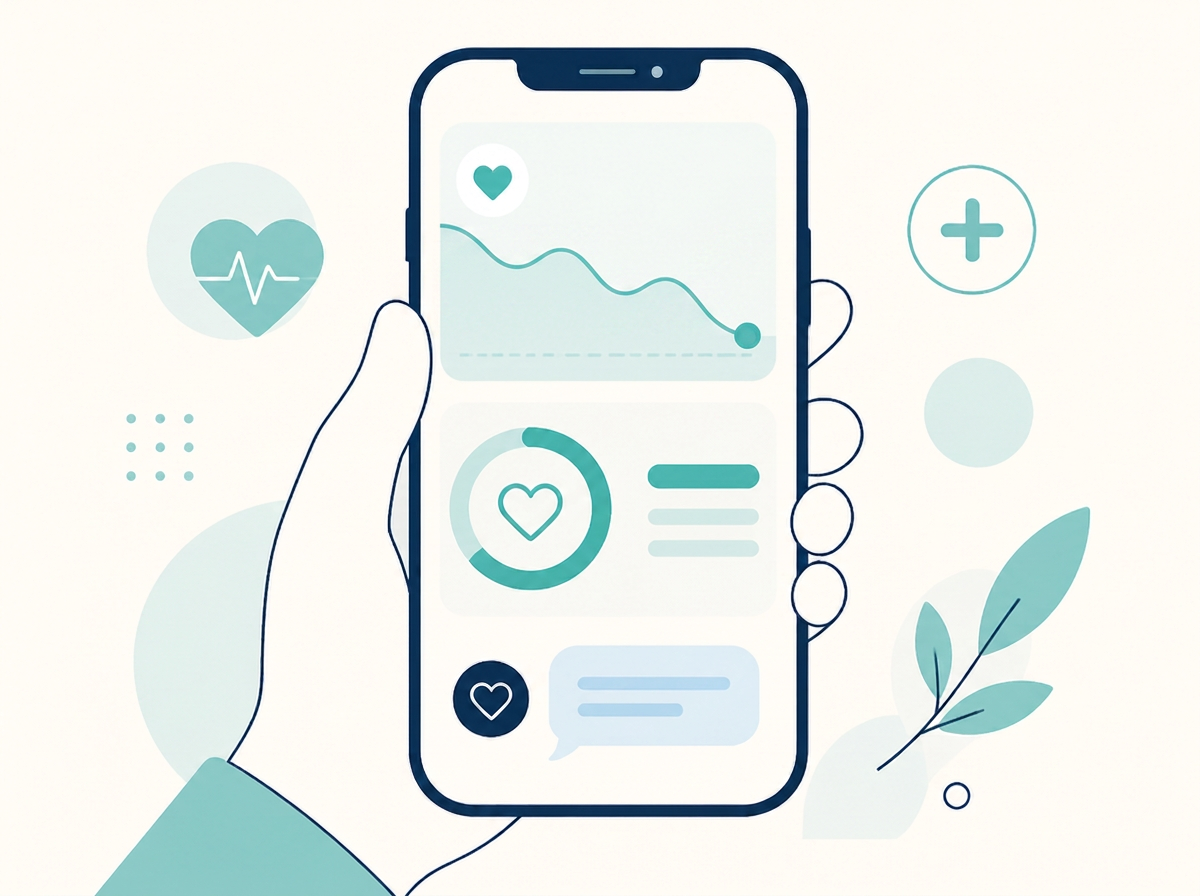
Martina describes how the digital aids provide continuous feedback on the development of the degree of obesity and enable improved support for families even between visits. The family does not have to wait until the next clinic visit to see how the treatment is progressing.
The family as co-treater
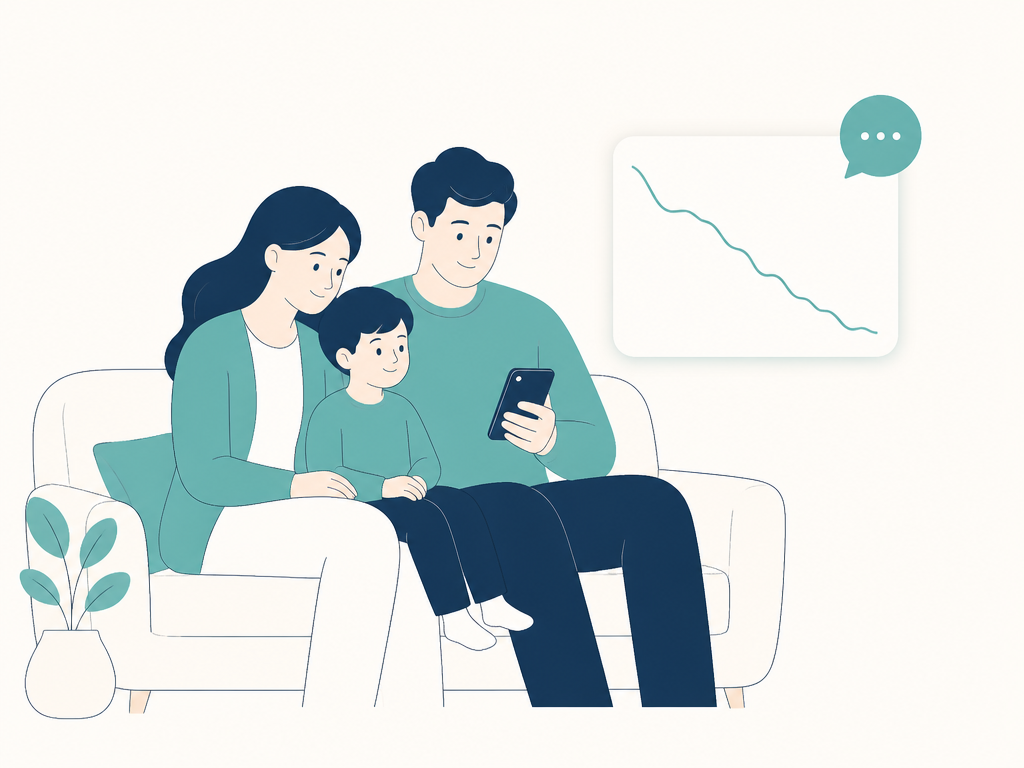
Combined lifestyle treatment requires the family to work with habits in daily life. With shared data, the conversation at the clinic becomes more concrete: the family and healthcare staff see the same trend, the same goals, and the same period.
This shifts the roles. The family is the expert on their situation, the clinic is responsible for the treatment, and the digital follow-up connects the two between visits.
From clinical innovation to established working method
When Evira was first introduced at Martina, the treatment model was concentrated within a single operation. Today, six treatment teams work according to the same fundamental principle: specialist care at the clinic, home monitoring, and digital follow-up between visits.
The medical relationship is local and personal, while the digital treatment support functions the same way regardless of which Martina clinic the family belongs to. Martina shows how a digital treatment model can go from clinical innovation and research to an established working method across several specialist clinics.
6 clinics
Number of Martina-BUMM that currently work with Evira.
Source: 4
Sources and references
- International Journal of Obesity – the one-year study
The study of 107 patients at Martina compared with 321 matched controls from the quality register BORIS.
- Three-year follow-up of the treatment model
Follow-up showing that the difference between the groups could be maintained over time.
- Martina Children's Hospital – Weight Health
Martina's description of obesity treatment within the BUMM mandate.
- Barnsjukhuset Martina – child and adolescent medical clinic
Martina's description of the BUMM assignment and clinics.
- Sophia Nytt – New treatment for children with overweight
Reportage about the digital treatment method at Martina.
- BORIS – national quality register for childhood obesity
The register that constituted the control group in the studies of the treatment model.
- Viss.nu – Overweight in children and adolescents, Region Stockholm
Regional care programme that governs which children are treated at a specialist level.