
Case studies
Södertälje Hospital – from established obesity care to digital treatment with Evira
Södertälje Hospital has worked in a structured way with childhood obesity treatment for over two decades. In 2023, the department took the next step by introducing Evira as digital treatment support. When the year was summarised, the Women and Children department highlighted the introduction of Evira as one of its three most important improvement measures in quality and patient safety. Today, Evira continues to be used in paediatrics at Södertälje Hospital.

In brief
Long experience with childhood obesity
Since the early 2000s, Södertälje has developed and evaluated structured treatment for children with obesity.
Prioritised initiative 2023
Already in the 2022 quality work, the introduction of Evira was identified as a priority area for the following year.
One of the year's most important improvements
After the introduction in 2023, the department listed Evira as one of its three most important implemented improvement measures.
Still in use
Evira remains part of obesity treatment at Södertälje Hospital BUMM.
A long tradition of obesity treatment
Södertälje Hospital has an unusually long history in the treatment of children with obesity. Already in the early 2000s, a structured treatment model was developed at the paediatric clinic, built on long-term behaviour change and support for both children and parents.
The working method later spread to more paediatric clinics in Stockholm county and has been evaluated in several scientific studies. When Södertälje began working with Evira, the digital treatment support was thus introduced in a clinic with extensive experience in structured and long-term treatment of children with obesity.
Digital treatment becomes a prioritised development area
In the Women and Children department's quality work for 2022, digital obesity treatment was identified as one of the most important priority areas for the following year. The plan was clearly formulated: introduction of Evira – a digital treatment model for children and young people with obesity.
In spring 2023, the collaboration between Södertälje Hospital and Evira began. Evira was introduced as a complement to the existing clinical treatment and gave the clinic the opportunity to combine specialist care with home monitoring and digital follow-up.
One of the department's most important improvement measures
When the Women and Children department summarised 2023, the introduction of Evira was highlighted as one of the year's three most important improvement measures in quality and patient safety. The same evaluation describes that the working method contributes to increased participation and awareness for patients and their relatives.
The hospital also highlights another important function: Evira provides the treatment team with a tool to identify which patients have the greatest need for further interventions. The digital support thus becomes not only a way to collect information between clinic visits, but a way to direct care's attention where it is most needed.
3
of the year's most important improvement measures in 2023 – the introduction of Evira was one of them.
Treatment between clinic visits
The Paediatric and Adolescent Medicine Clinic at Södertälje Hospital treats children and adolescents with obesity within specialist care, in a multi-professional context including doctors, nurses, dieticians and psychologists.
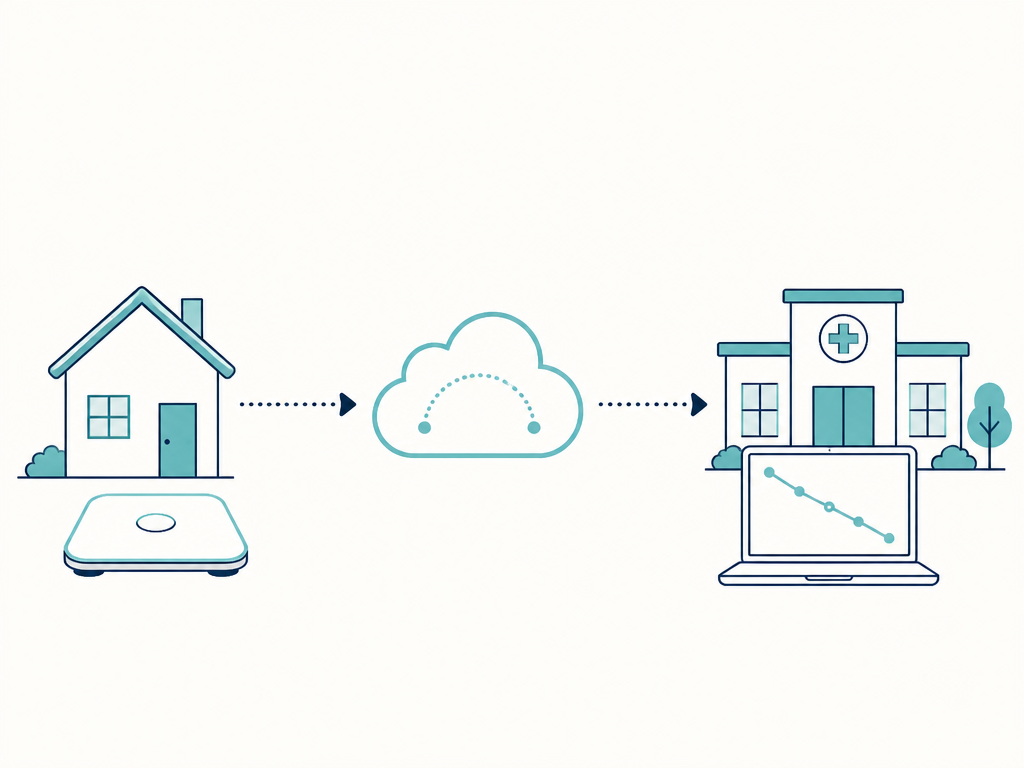
Evira supplements this care with a digital workflow between visits. The child can carry out regular measurements at home with a numberless, connected weighing scale. The measurements are transferred to Evira and can be monitored by the treatment team, while the family can follow the treatment and communicate digitally with their healthcare provider.
From snapshots to development over time
A clinic visit shows the situation at a specific moment. When treating a chronic illness, healthcare also needs to understand what happens in the weeks and months in between.
With recurring home monitoring, the treatment team gets a more continuous basis for assessment. This makes it possible to follow development over time and notice when a patient may need additional support – and it is precisely this possibility that Södertälje Hospital itself highlights in its evaluation of the implementation.
Part of a broader obesity team
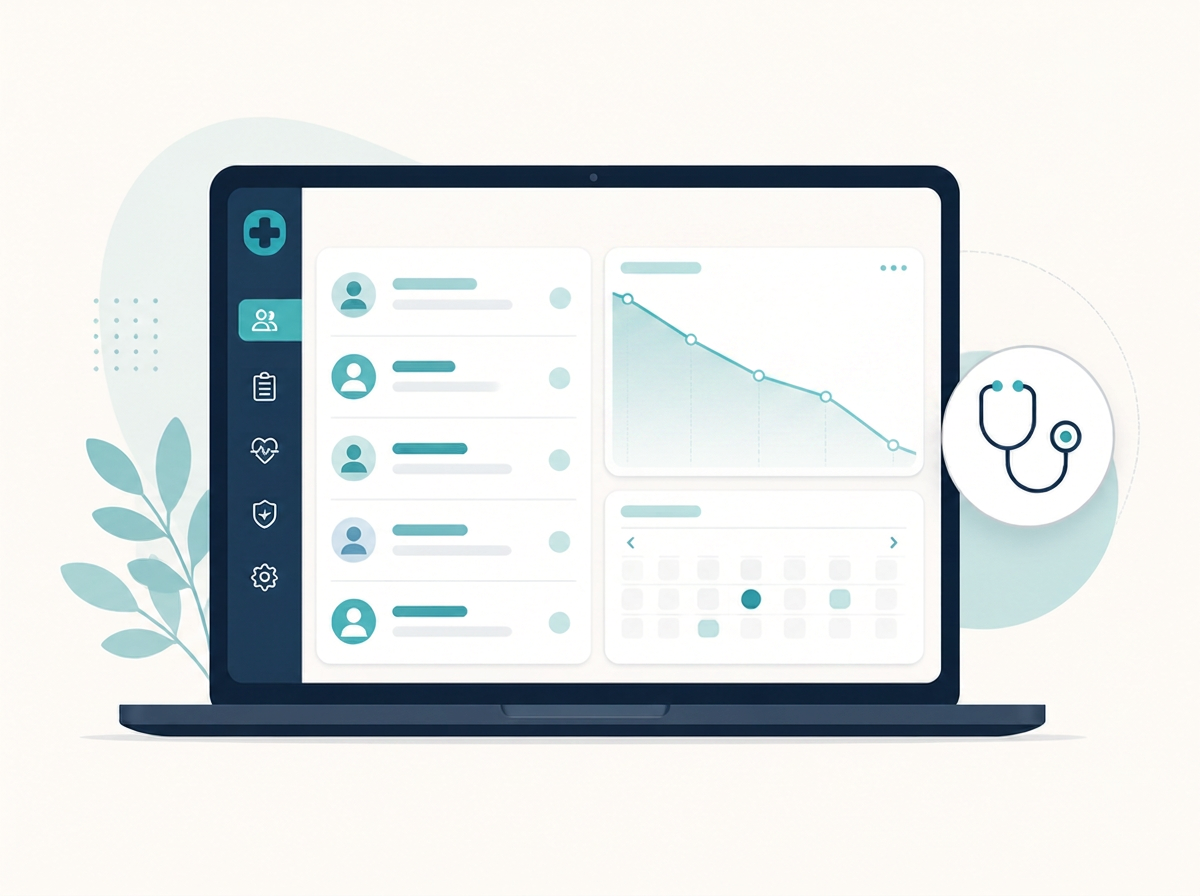
Evira is not a standalone treatment separate from Södertälje Hospital's other obesity care. The Paediatric and Adolescent Medicine Clinic works with dedicated treatment teams and several different professionals around the child, and Evira functions as a digital treatment support within this structure.
The medical assessment, treatment plan and responsibility remain with the healthcare provider, while the digital follow-up provides additional information about development between visits. The follow-up is in line with the National Board of Health and Welfare's guidelines on long-term and family-based treatment, and treatment data from Swedish childhood obesity care is reported to the quality register BORIS.
From established model to digital treatment support
Södertälje has long been involved in developing Swedish childhood obesity care. The structured treatment model developed at the clinic during the 2000s has been both scientifically studied and disseminated to other operations.
The introduction of Evira in 2023 was another step in this development: from a prioritised development area in 2022, to one of the department's most important implemented improvement measures in 2023 and continued use within BUMM. Södertälje shows how digital treatment can be integrated into an already established specialist service and become a long-term part of healthcare's work with children and young people with obesity.
Sources and references
- Södertälje Hospital – paediatric and adolescent medical clinic
The clinic's description of the specialist assignment for children and adolescents.
- Viss.nu – Overweight in children and adolescents, Region Stockholm
Regional care programme with care levels and referral routines.
- The National Board of Health and Welfare – National guidelines for obesity care
National knowledge support for long-term obesity treatment.
- BORIS – national quality register for childhood obesity
The register where Swedish childhood obesity care is followed up.