
Case studies
Region Kronoberg uses Evira for digital obesity treatment for children and young people
Region Kronoberg has introduced Evira within the Paediatric and Adolescent Clinic's obesity treatment. Treatment is delivered digitally, with home monitoring of weight and ongoing contact with the treating clinic.

In brief
6–18 years
Region Kronoberg offers the possibility of digital treatment with Evira for children and young people aged 6–18.
Daily home weigh-ins
The treatment includes daily weigh-ins with a numberless scale.
Close contact with the clinic
The child or young person uses the Evira app and has close contact and chat with their treating clinic.
Introduced at the Paediatric and Adolescent Clinic
Region Kronoberg describes Evira as a digital communication tool with home monitoring of weight for childhood obesity.
Childhood obesity requires treatment over several years
Childhood obesity is a chronic disease. The National Board of Health and Welfare's national guidelines state that care needs to offer long-term, structured treatment where the family is involved, and that combined lifestyle treatment – working with eating habits, physical activity, sleep, and behaviour – is the foundation of treatment.
Treatment thus primarily takes place between healthcare visits. What happens in the family's everyday life during the weeks and months between two follow-up appointments determines how the treatment develops, but is traditionally only visible at the next measurement at the clinic.
This gap is addressed by Region Kronoberg's Children and Adolescent Clinic with home monitoring and digital contact.
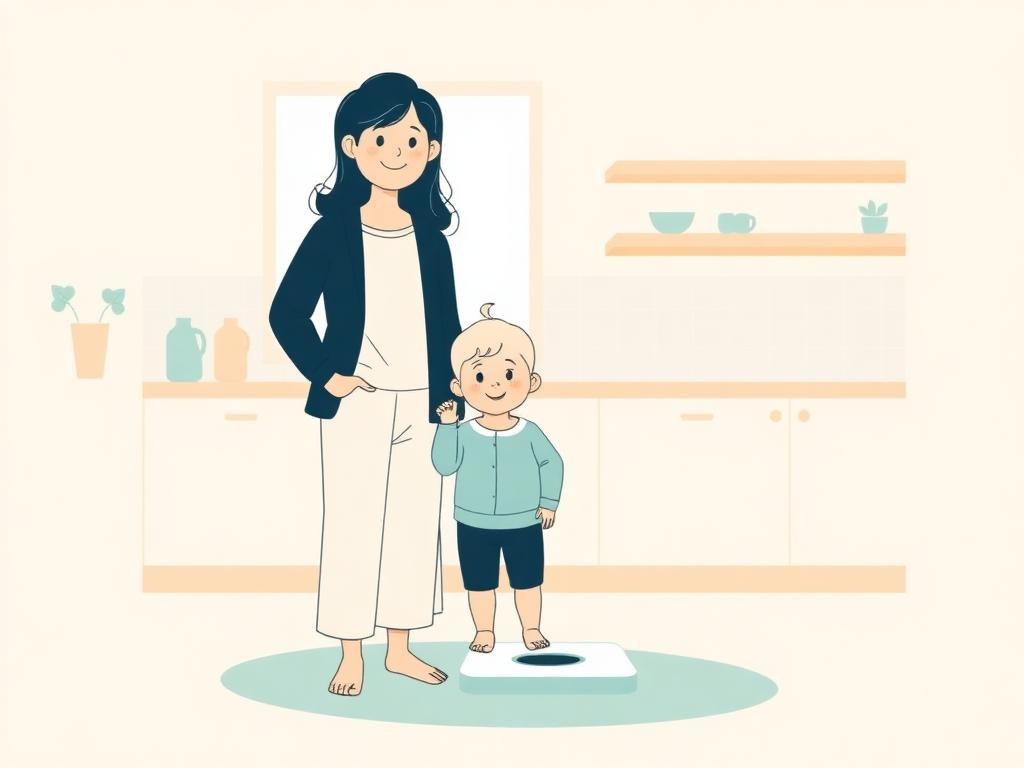
Digital treatment as part of obesity care
Region Kronoberg's Paediatric and Adolescent Clinic treats children and young people with obesity.
The region's care guidelines state that children under 18 with obesity can be referred to the Paediatric and Adolescent Clinic when first-line interventions have not had sufficient effect. The basis for specialist treatment is combined lifestyle intervention.
As part of this care, Region Kronoberg has introduced Evira.
In Region Kronoberg's Children's Report 2024, the region describes the implementation:
“The Paediatric and Adolescent Clinic has introduced Evira, a digital communication tool with home monitoring of weight, for childhood obesity.”
The healthcare chain from child health services to specialist clinic
Region Kronoberg addresses childhood obesity in several stages. Early detection and support occur within child health services and school health services, with growth follow-up and conversations with the family.
When interventions in primary care do not provide sufficient effect, the child can be referred to the Children and Adolescent Clinic for specialised treatment. There, the clinic's team is responsible for assessment, treatment plan, and follow-up – and it is at this stage that digital treatment with Evira is offered as an alternative.
How the treatment works
On 1177, Region Kronoberg describes Evira as a digital treatment option within obesity care:
6–18 years
The age range offered digital treatment in Region Kronoberg.
”For children and young people aged 6–18, there is also the option of digital treatment via the online clinic Evira.”
- daily home weigh-ins with a numberless scale
- home monitoring of weight as a basis for treatment
- the Evira app as the channel between visits
- close contact and chat with the treating clinic
Source: 2
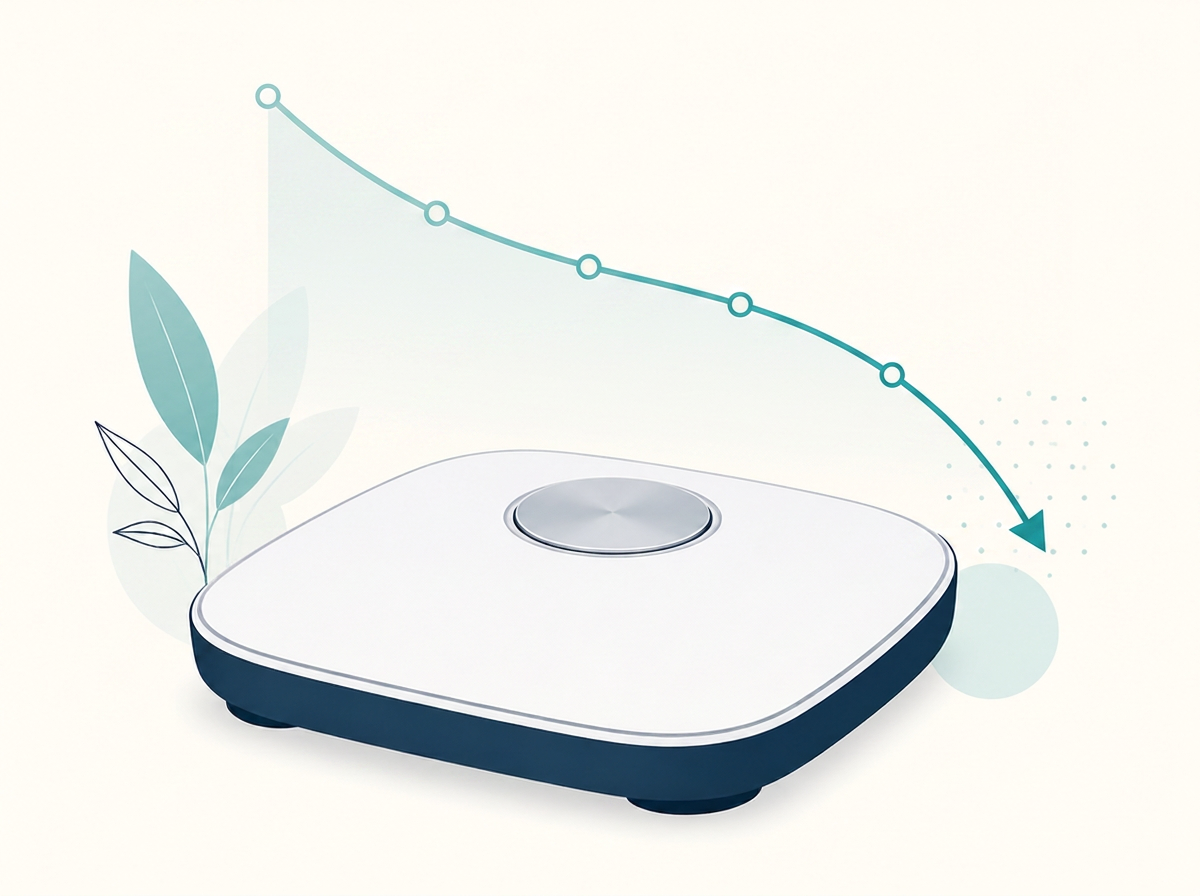
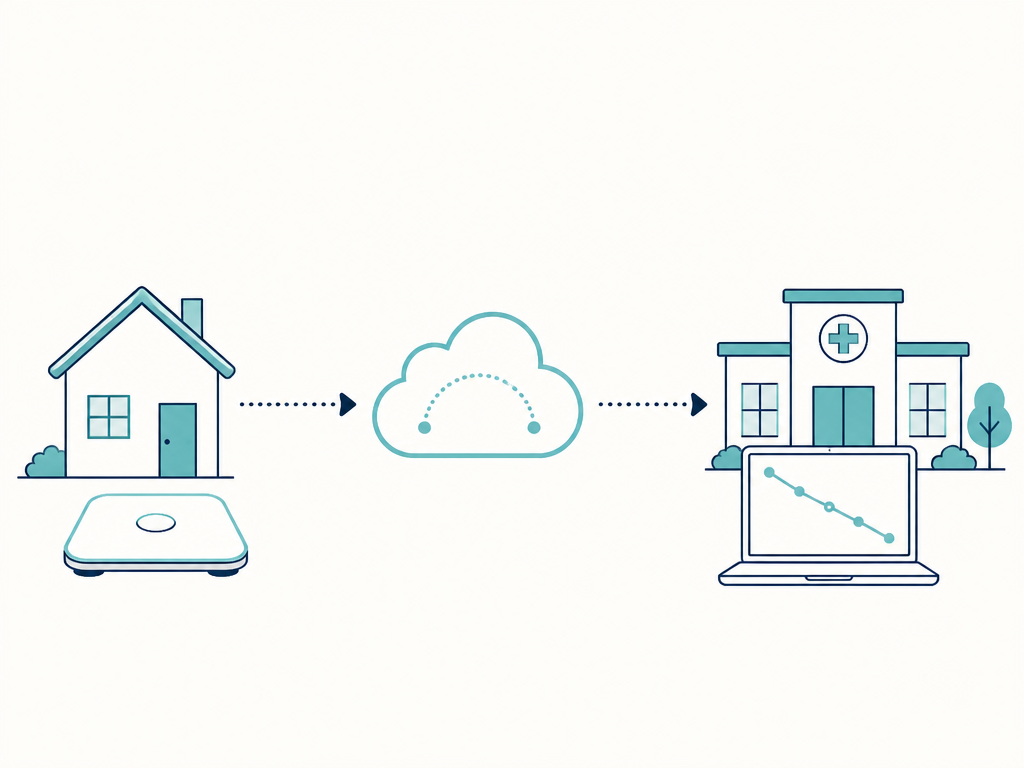
From home weighing to data for the clinic
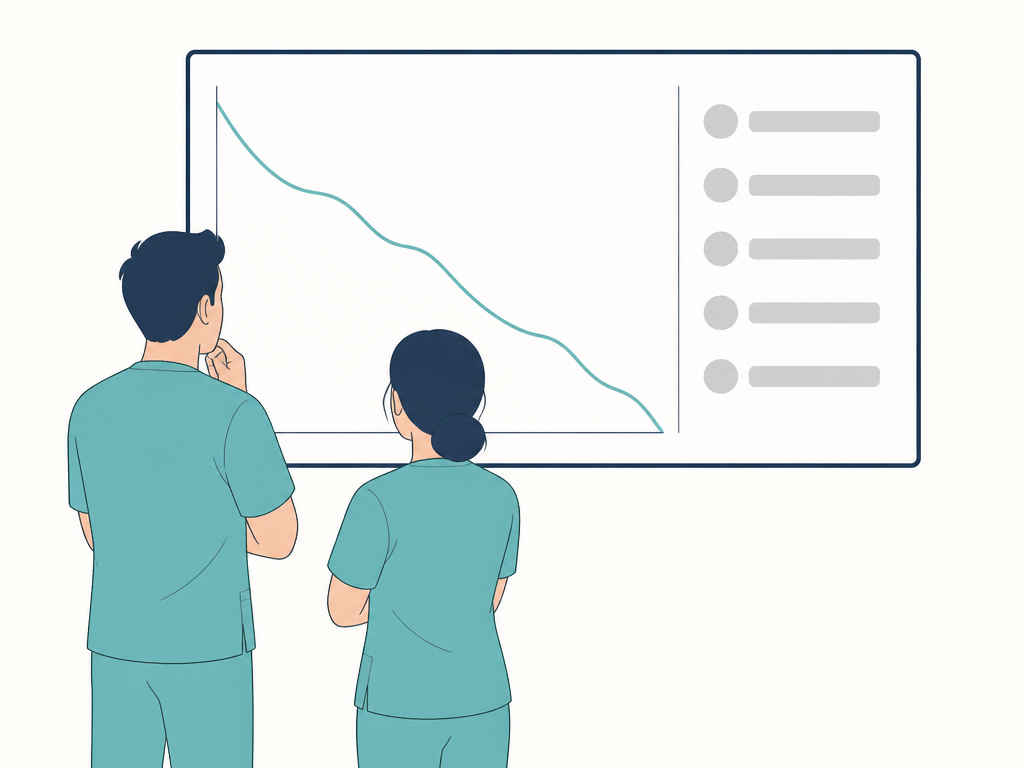
The child weighs themselves at home on a numberless measuring plate. The measurement is automatically sent to Evira, where the development is visualised as a trend in relation to the child's growth and treatment goals instead of as a number of kilograms.
The treatment team sees the same development in their care interface. This allows the clinic to see if the treatment is progressing in the right direction during the ongoing period, not just at the follow-up visit, and can get in touch via chat when the trend changes.
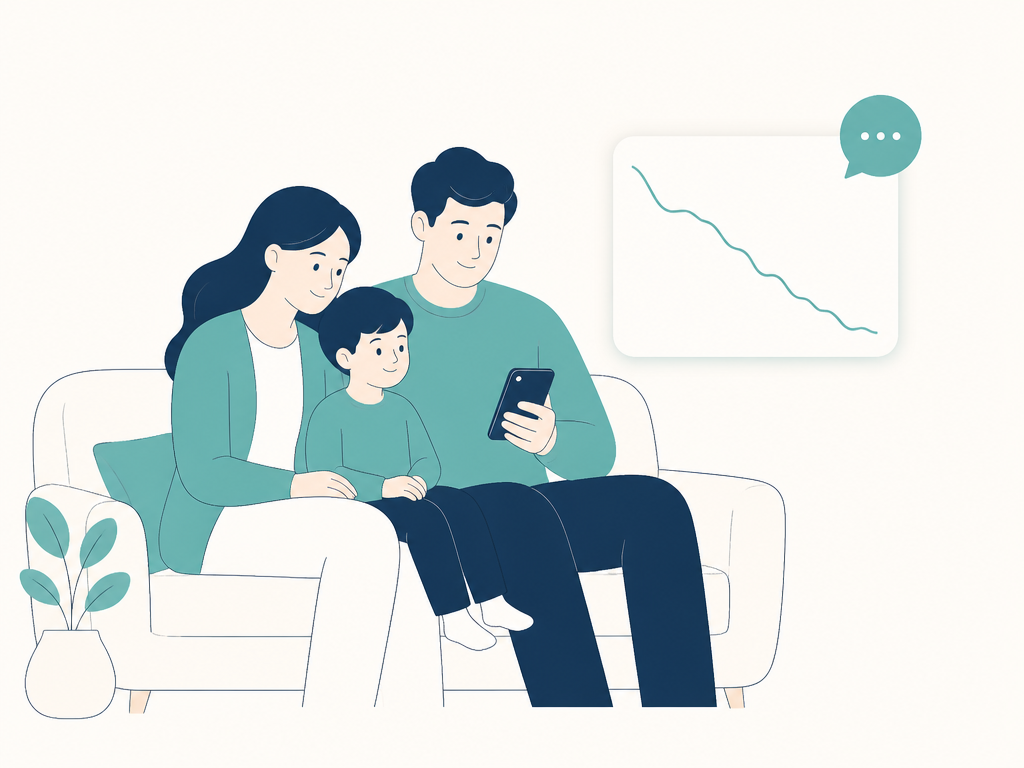
Why numberless weighing is used
Daily weighings provide a more stable basis than single measurements, as weight naturally varies from day to day. At the same time, a number on the scale can feel burdensome for a child.
The numberless measuring plate makes it possible to combine frequent data collection with feedback that focuses on direction and goals rather than on kilograms. The family sees a trend, and healthcare receives a series of measurements that can be interpreted against the child's height development.
Source: 2
Quality follow-up through BORIS
Childhood obesity care in Sweden is followed up in the national quality register BORIS, which collects data on treatment and outcomes from children's clinics and paediatric clinics. The register is used for both operational follow-up and research on treatment effectiveness.
BORIS is also the reference point in the research done on Evira's treatment model, where patients treated with Evira have been compared with matched controls from the register.
A part of Region Kronoberg's ordinary care
Region Kronoberg does not describe Evira as a research project or a temporary pilot, but as an established part of the clinic's work and as a treatment option in the region's patient information.
Medical responsibility remains with the Children and Adolescent Clinic. The digital treatment support connects clinic visits with the treatment ongoing at home.
Sources and references
- Region Kronoberg – Barnbokslut 2024
The region’s description of the implementation of Evira within the Child and Adolescent Clinic.
- 1177 Region Kronoberg – Obesity, overweight and obesity in children
The region’s patient information about digital treatment with Evira for children and young people aged 6–18.
- Region Kronoberg – Clinical guideline for obesity in children
The region's description of specialist care's responsibility and treatment flow for children with obesity.
- Region Kronoberg – Child Health Services
The region's guidelines and routines for child health services, where early detection occurs.
- The National Board of Health and Welfare – National guidelines for obesity care
National knowledge support for long-term, structured treatment of obesity.
- BORIS – national quality register for childhood obesity
The register used for quality follow-up and research in childhood obesity care.
- International Journal of Obesity – the one-year study of Evira's treatment model
Study where patients treated with Evira were compared with matched controls from BORIS.